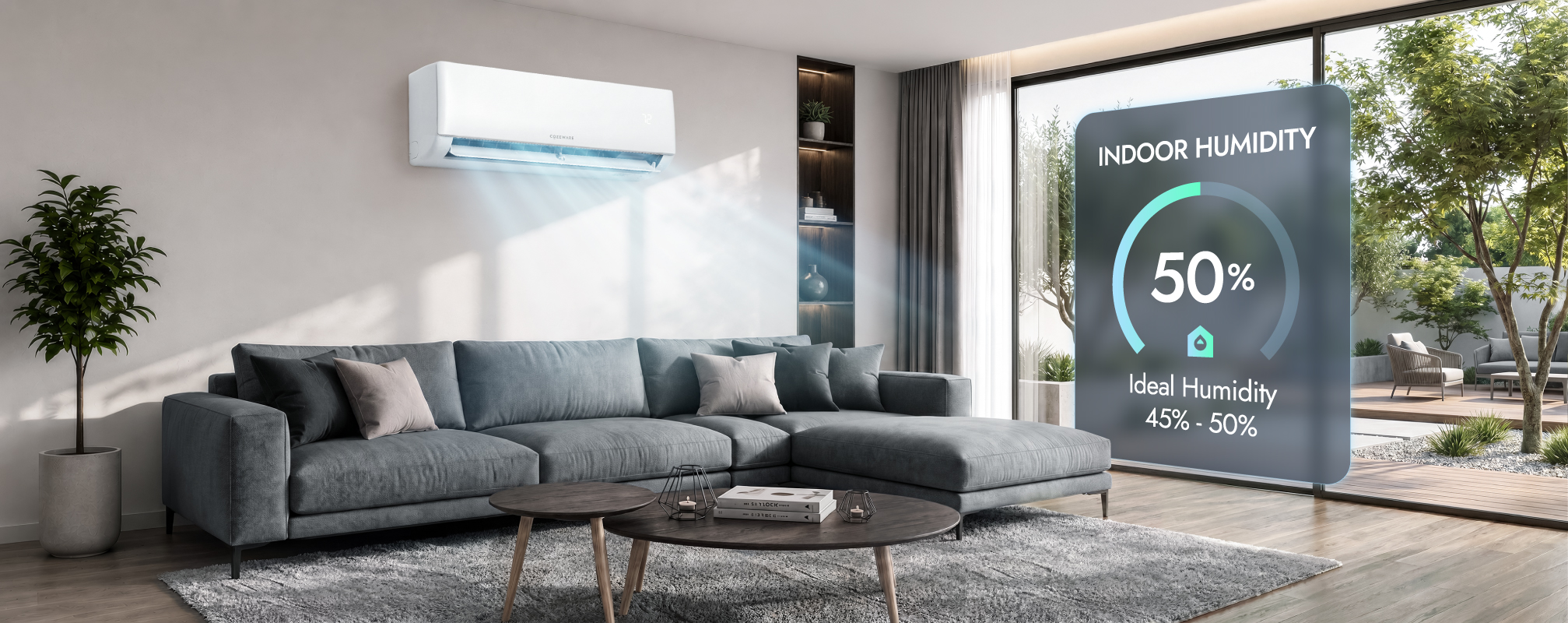
During hot and humid months, many homeowners focus on lowering the temperature but overlook excess moisture in the air. Learning how to reduce indoor humidity in summer is just as important as cooling because high humidity can make rooms feel warmer, encourage mold growth, and reduce overall comfort. Even when the thermostat shows a comfortable temperature, excessive moisture can leave your home feeling sticky and uncomfortable.
Fortunately, modern air conditioning systems and smart home practices can effectively manage humidity while improving energy efficiency. By combining proper ventilation, maintenance, and humidity control features, you can create a healthier and more enjoyable indoor environment throughout the summer.
AC Humidity Control Helps Maintain a Comfortable Environment
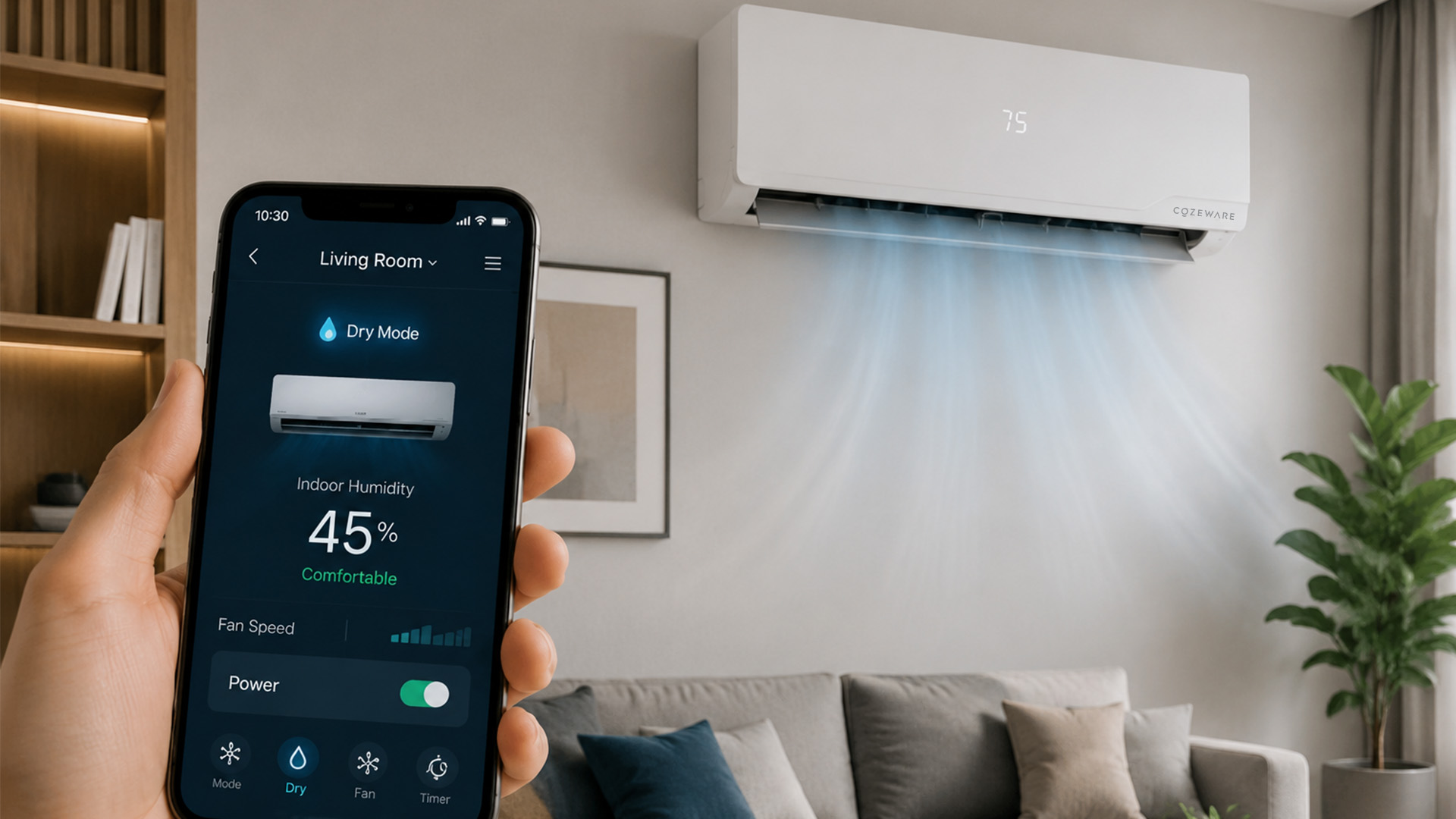
One of the most effective ways to manage indoor moisture is through AC humidity control. Modern air conditioners do more than cool the air, they also remove excess moisture during operation.
As warm indoor air passes over the evaporator coil, water vapor condenses and drains away, helping maintain balanced humidity levels. Advanced systems can even optimize moisture removal without excessive cooling.
Benefits include:
Reduced sticky and damp feeling indoors
More consistent indoor temperatures
Better overall air quality
Improved energy efficiency
This type of moisture management with air conditioning and humidity regulation technology allows homeowners to enjoy a fresher indoor environment while reducing unnecessary strain on the cooling system.
Dehumidification Benefits Go Beyond Comfort
The dehumidification benefits of a quality air conditioning system extend beyond simply making a room feel cooler.
Lower humidity levels help protect your home and improve daily living in several ways:
Better Air Quality
Reducing moisture limits conditions that encourage dust mites and allergens.
Less Musty Odors
Dryer air helps minimize unpleasant smells often associated with damp spaces.
Protection for Furniture
Excess humidity can affect wood furniture, flooring, and electronics over time.
Improved Energy Efficiency
Dry air often feels cooler than humid air, allowing comfortable temperatures without lowering the thermostat excessively.
These humidity reduction advantages and moisture removal benefits contribute to a healthier and more comfortable home environment throughout the summer season.
Mini Split Dry Mode Optimizes Moisture Removal
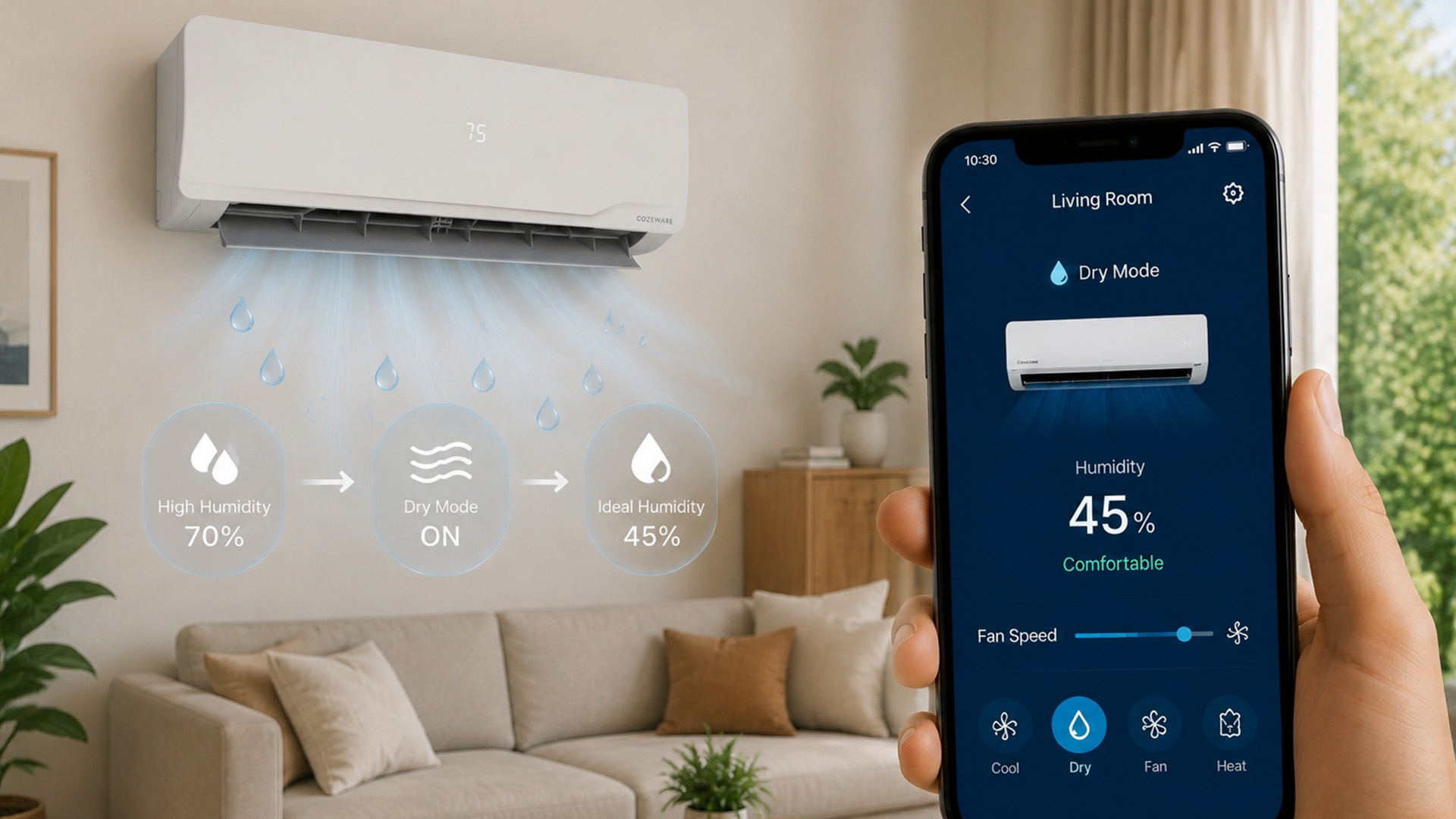
Many modern cooling systems include mini split dry mode, a feature specifically designed to reduce humidity while using less energy than full cooling operation.
Instead of aggressively lowering room temperature, dry mode focuses on extracting moisture from the air by cycling the compressor and fan at optimized intervals.
Advantages include:
Effective humidity reduction
Lower energy consumption compared to continuous cooling
Improved indoor comfort
More stable room conditions
This dehumidification mode and humidity reduction setting can be especially useful on mildly warm but very humid days when moisture, not temperature, is the primary issue.
Using dry mode strategically can create a more comfortable indoor climate without excessive energy use.
Prevent Mold with AC Through Proper Maintenance
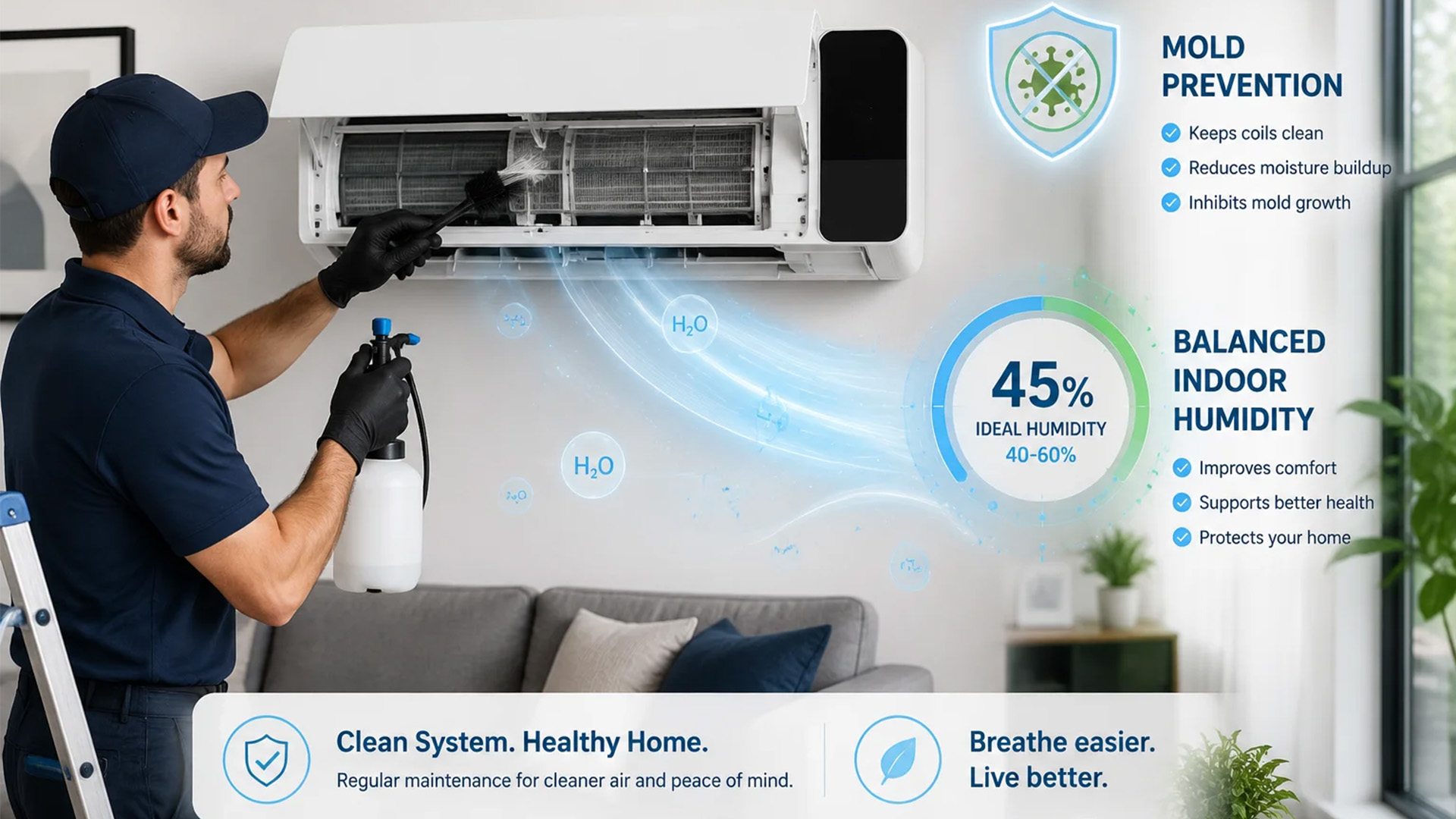
One major reason homeowners should prevent mold with AC is that mold thrives in warm, damp environments. Controlling indoor humidity significantly reduces favorable conditions for mold growth.
To help minimize the risk:
Clean or replace air filters regularly
Keep condensate drains free from blockage
Schedule routine HVAC maintenance
Maintain indoor humidity around 30–50%
Improve airflow throughout the home
These mold prevention using air conditioning and air conditioner moisture control strategies help protect both indoor air quality and building materials.
Proper maintenance ensures the AC system continues removing moisture efficiently while supporting healthier living conditions.
Improve Indoor Comfort with Smart Summer Habits
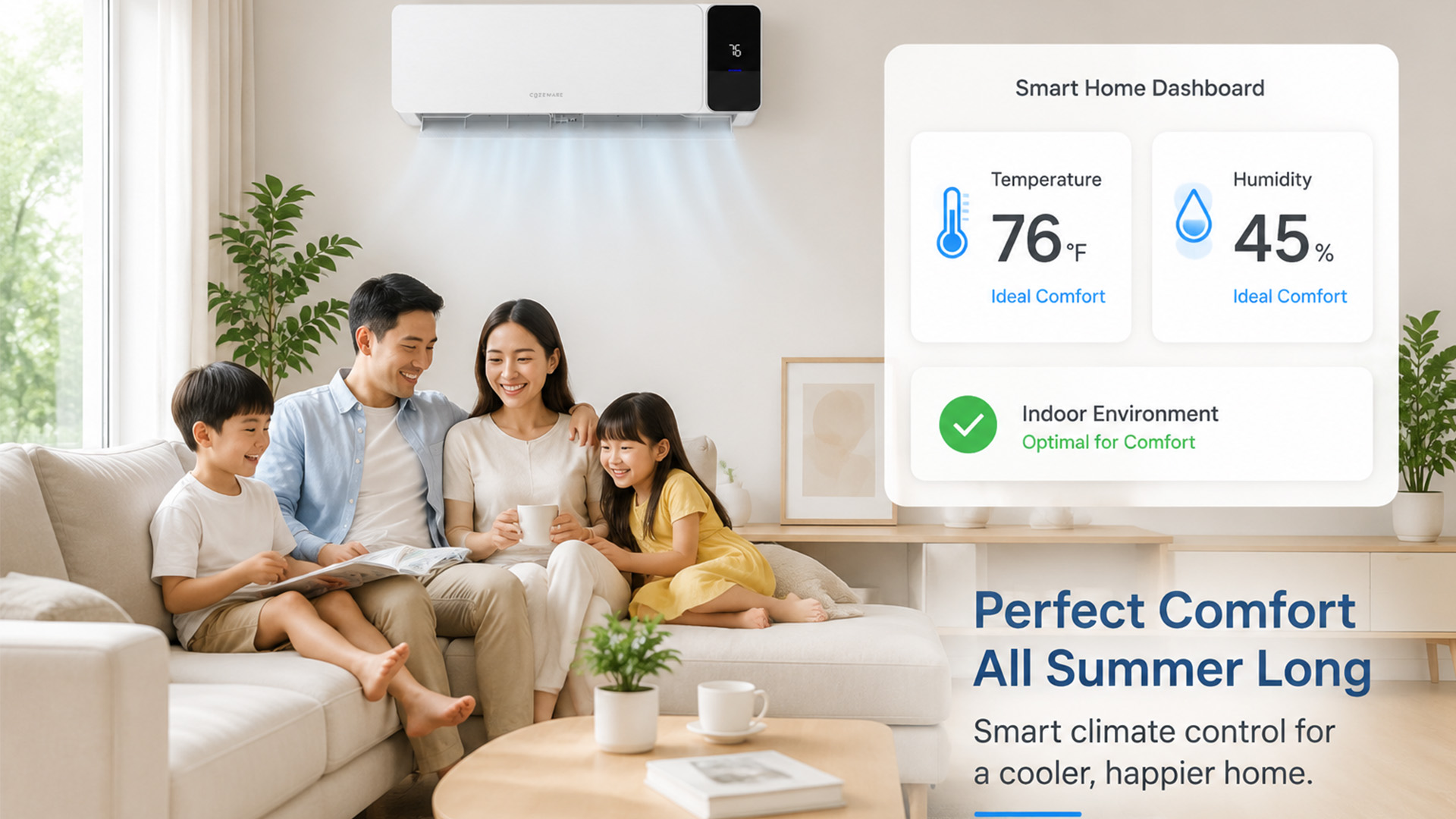
Beyond equipment features, simple daily habits can improve indoor comfort and support humidity control during summer.
Consider these practical strategies:
Use Kitchen and Bathroom Exhaust Fans
Ventilation removes moisture generated from cooking and showering.
Keep Windows Closed During Humid Days
Opening windows may introduce additional moisture into the home.
Reduce Indoor Moisture Sources
Dry clothes outdoors when possible and fix plumbing leaks promptly.
Monitor Humidity Levels
Using a smart hygrometer helps track indoor conditions and identify when adjustments are needed.
These enhanced home comfort solutions and better indoor living conditions complement your air conditioning system and create a cooler, fresher environment.
By combining technology with smart household practices, homeowners can stay comfortable while using energy more efficiently.