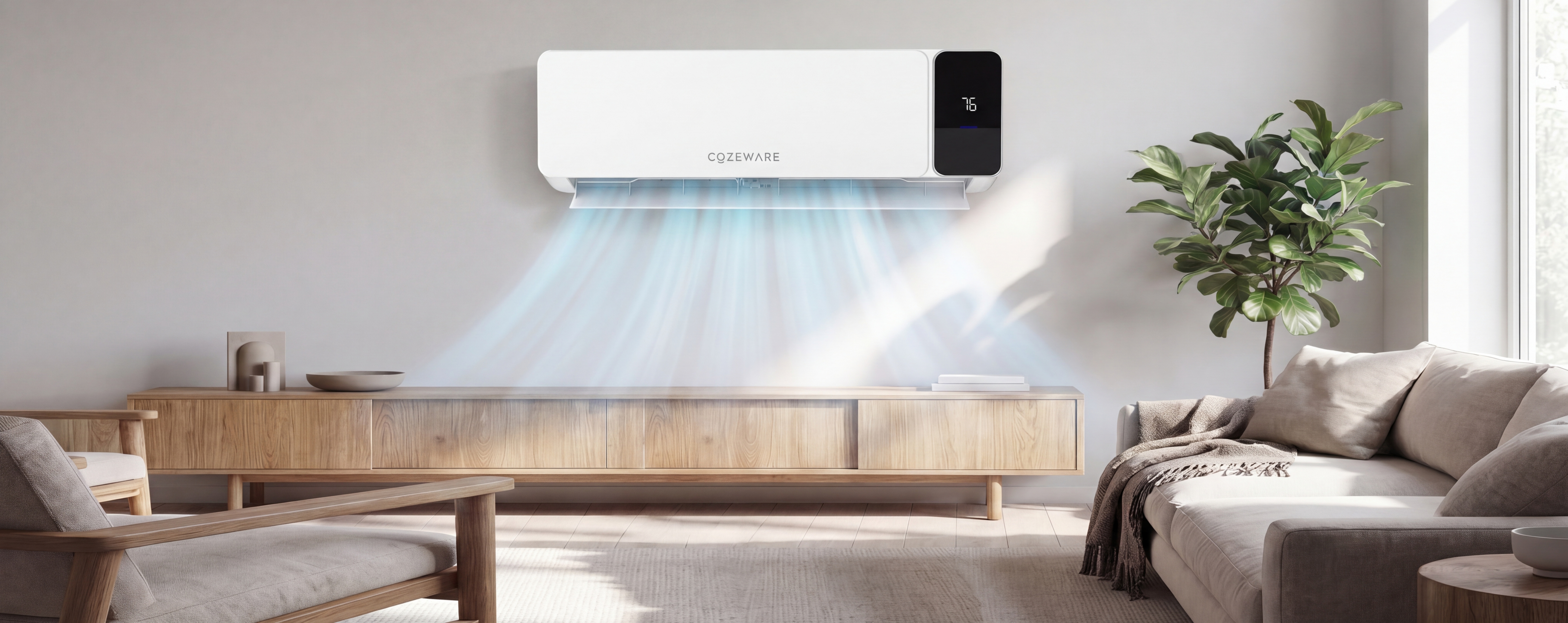
Rising electricity costs have made homeowners more conscious about cooling expenses, especially during hot summer months. If you want to reduce AC electricity bill costs while still keeping your home comfortable, modern energy-saving solutions can make a huge difference. From upgrading to high-efficiency systems to using smarter cooling habits, there are many ways to lower energy consumption without compromising comfort.
Today’s advanced mini split systems are designed to maximize efficiency while reducing unnecessary power usage. Features like AI-powered cooling, intelligent ECO modes, and smart app controls help homeowners save money while maintaining ideal indoor temperatures. Understanding the right cooling strategies can help you enjoy long-term savings and a more energy-efficient home.
Why Air Conditioners Increase Electricity Bills
Air conditioners are among the largest contributors to household electricity usage. Older systems often consume excessive energy because they must work harder to maintain stable temperatures.
Several common issues can increase cooling costs, including:
Dirty or clogged air filters
Poor home insulation
Air leaks around windows and doors
Outdated cooling systems
Constant thermostat adjustments
Following a proper AC energy consumption guide helps homeowners understand how energy is used and where improvements can be made. Small adjustments in cooling habits can already lead to significant monthly savings.
Modern high-efficiency systems are also designed to reduce unnecessary energy waste by adjusting cooling output automatically based on room conditions.
Best Energy Efficient Cooling Tips for Lower Bills
Using practical energy efficient cooling tips can improve cooling performance while lowering electricity usage throughout the year.
Use Moderate Temperature Settings
Setting your thermostat too low forces your air conditioner to operate continuously, increasing electricity consumption. Experts typically recommend keeping indoor temperatures around 24–26°C for balanced comfort and efficiency.
Modern systems with intelligent cooling technology can automatically optimize performance based on room temperature and usage patterns.
Improve Indoor Airflow
Proper airflow allows cool air to circulate more efficiently around the house. You can improve ventilation by:
Keeping vents clean and unobstructed
Using ceiling fans to distribute cool air
Closing curtains during peak sunlight hours
Cleaning filters regularly
These eco-friendly cooling habits help reduce unnecessary strain on the AC system.
Seal Air Leaks Around the Home
Air leaks force cooling systems to work harder because cold air continuously escapes outside. Adding weather stripping and improving insulation can help maintain indoor temperatures more efficiently.
These sustainable cooling solutions reduce energy waste and improve overall comfort.
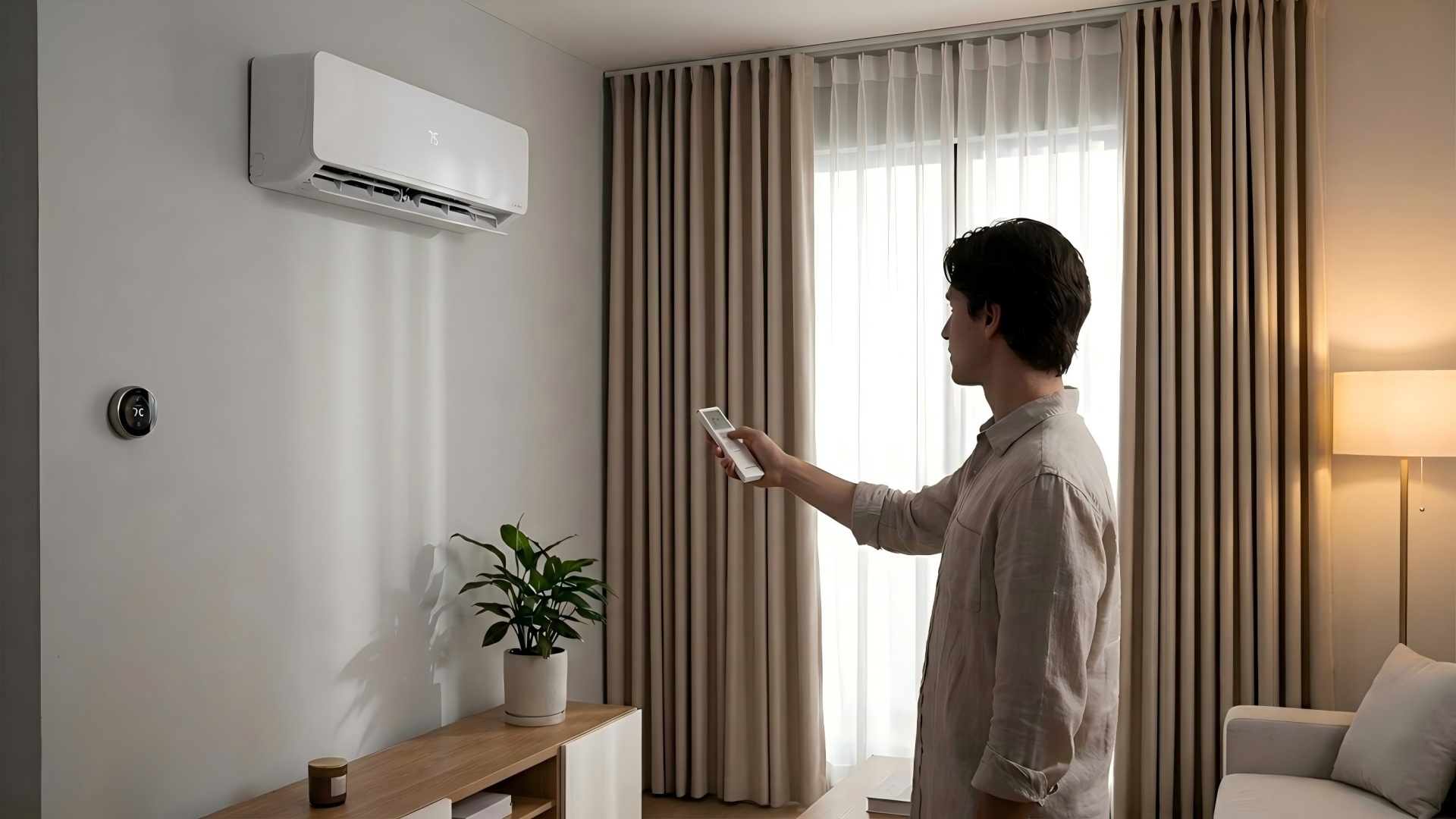
Choosing a High SEER AC for Lower Bills
Upgrading to a high SEER AC for lower bills is one of the most effective ways to reduce long-term cooling expenses.
SEER stands for Seasonal Energy Efficiency Ratio. Systems with higher SEER ratings use less energy to provide the same level of cooling compared to older units.
Benefits of High-Efficiency Cooling Systems
Modern high-efficiency mini split systems offer several advantages, including:
Lower monthly electricity bills
Faster cooling performance
More stable room temperatures
Quieter operation
Reduced environmental impact
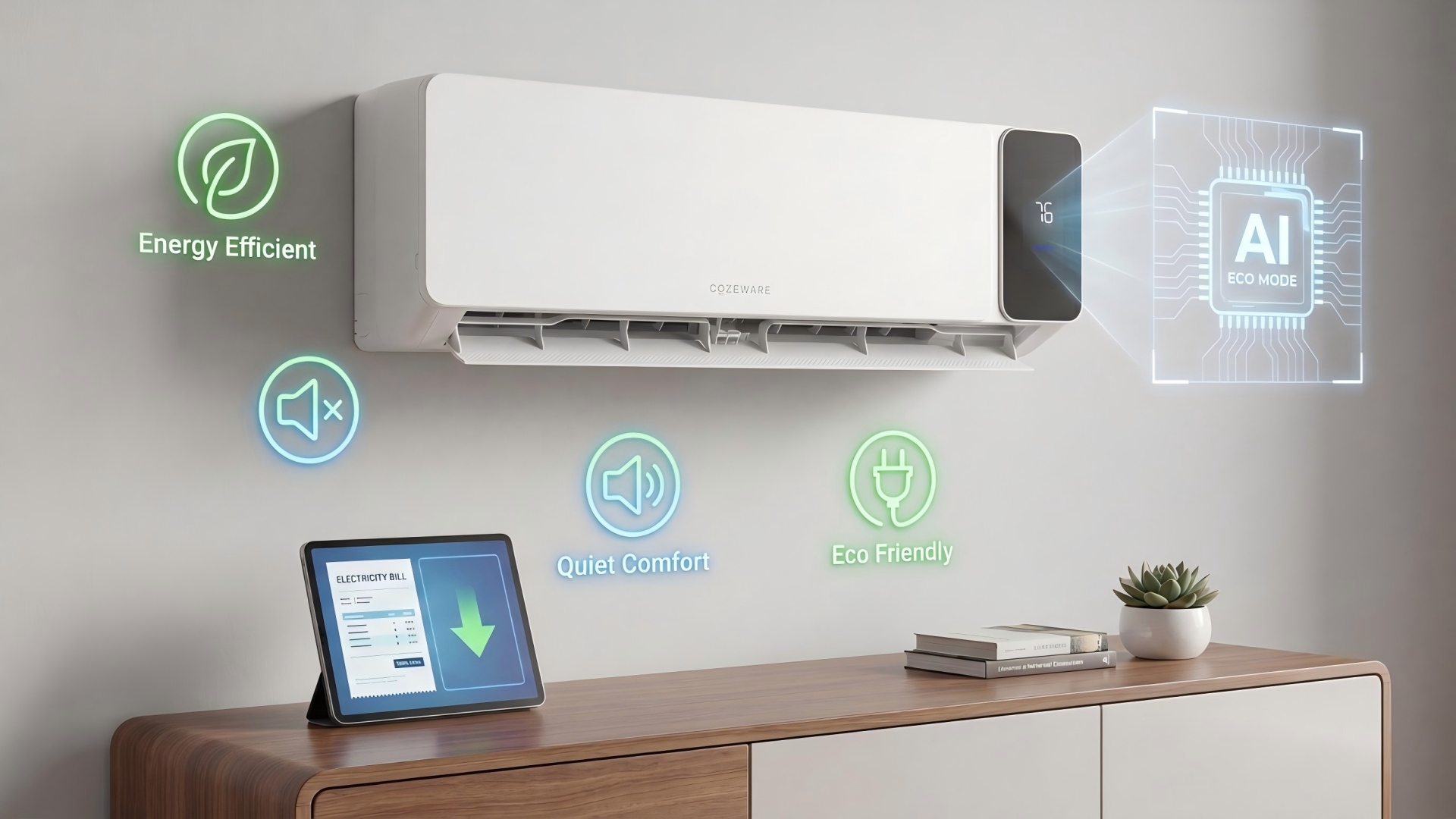
For example, modern ductless mini split systems with AI-powered ECO optimization can significantly reduce power consumption compared to older traditional units.
Many advanced systems also use inverter technology, which adjusts compressor speed automatically instead of repeatedly turning on and off. This helps improve efficiency while reducing energy spikes.
Why High SEER Systems Save More Energy
Higher-efficiency systems are specifically designed for lower energy consumption during long operating hours. Homeowners who use air conditioning frequently can benefit from substantial long-term savings.
Energy-efficient mini split systems also provide zoned cooling, allowing users to cool only occupied rooms instead of the entire house.
How Smart Thermostat Energy Savings Improve Efficiency
Technology now plays a major role in helping homeowners reduce cooling costs. The idea behind smart thermostat energy savings is to automatically optimize cooling performance based on user behavior and room conditions.
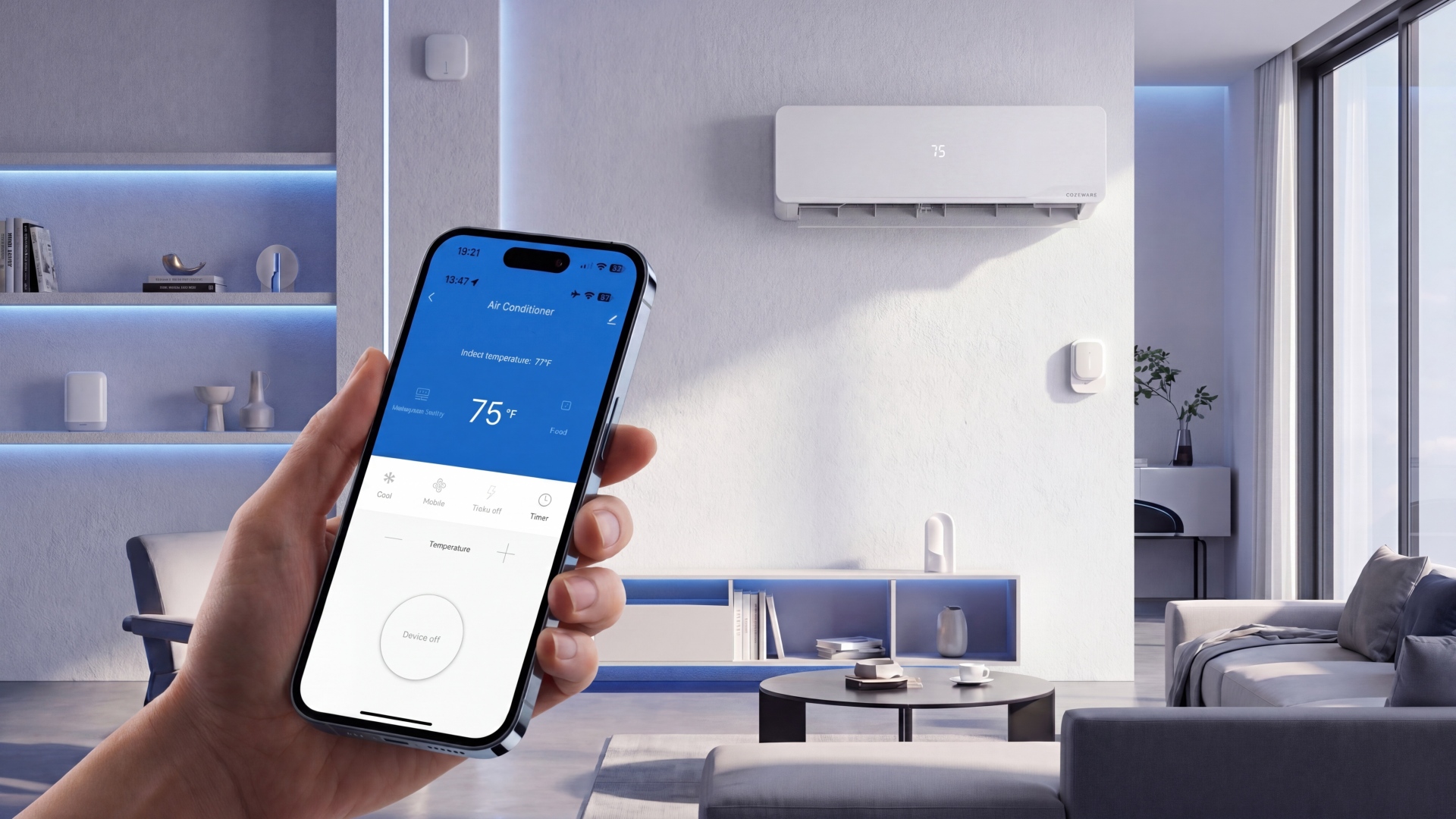
Many modern mini split systems include smart controls through mobile apps, Wi-Fi connectivity, and voice assistant integration.
Smart Cooling Features That Save Energy
Advanced smart cooling systems often include:
Mobile app temperature control
Automatic scheduling
Intelligent ECO modes
Remote operation
Voice assistant compatibility
These features help prevent unnecessary cooling while improving overall HVAC efficiency.
AI-Powered Cooling Optimization
Modern AI-powered cooling systems can automatically adjust compressor performance and airflow based on indoor conditions. This intelligent temperature management helps improve comfort while lowering electricity usage.
Smart cooling technology also supports better energy management by maintaining stable temperatures more efficiently than traditional systems.
Understanding Mini Split vs Traditional AC Cost Differences
When comparing cooling systems, many homeowners consider mini split vs traditional AC cost before making a purchase decision.
Mini split systems have become increasingly popular because of their energy efficiency and flexible installation options.
Advantages of Mini Split Systems
Mini split air conditioners provide several energy-saving benefits:
No energy loss through ductwork
Zoned cooling for individual rooms
Lower electricity consumption
Quiet operation
More flexible installation
Because they cool specific spaces directly, ductless systems often operate more efficiently than older central air systems.
Traditional AC Systems vs Ductless Cooling
Traditional central AC systems may still work well for larger homes with existing ductwork. However, duct systems can lose cooling energy over time due to leaks and poor insulation.
In many cases, ductless mini split systems provide better cooling efficiency and lower operating costs for targeted temperature control.
Choosing the right system depends on your home size, cooling needs, and energy-saving goals.