
Heat waves are becoming more common in many parts of the world, and homeowners are increasingly searching for practical ways to stay comfortable indoors. Learning how to keep house cool during heat wave conditions is no longer just about turning on the air conditioner and hoping for the best.
Recent homeowner discussions and HVAC advice across communities show that comfort during extreme temperatures usually comes from combining cooling habits, airflow strategies, and efficient AC use instead of relying on a single solution. Many people also report that small adjustments around the home can make a bigger difference than expected.
Cooling Tips for Extreme Heat That Actually Help
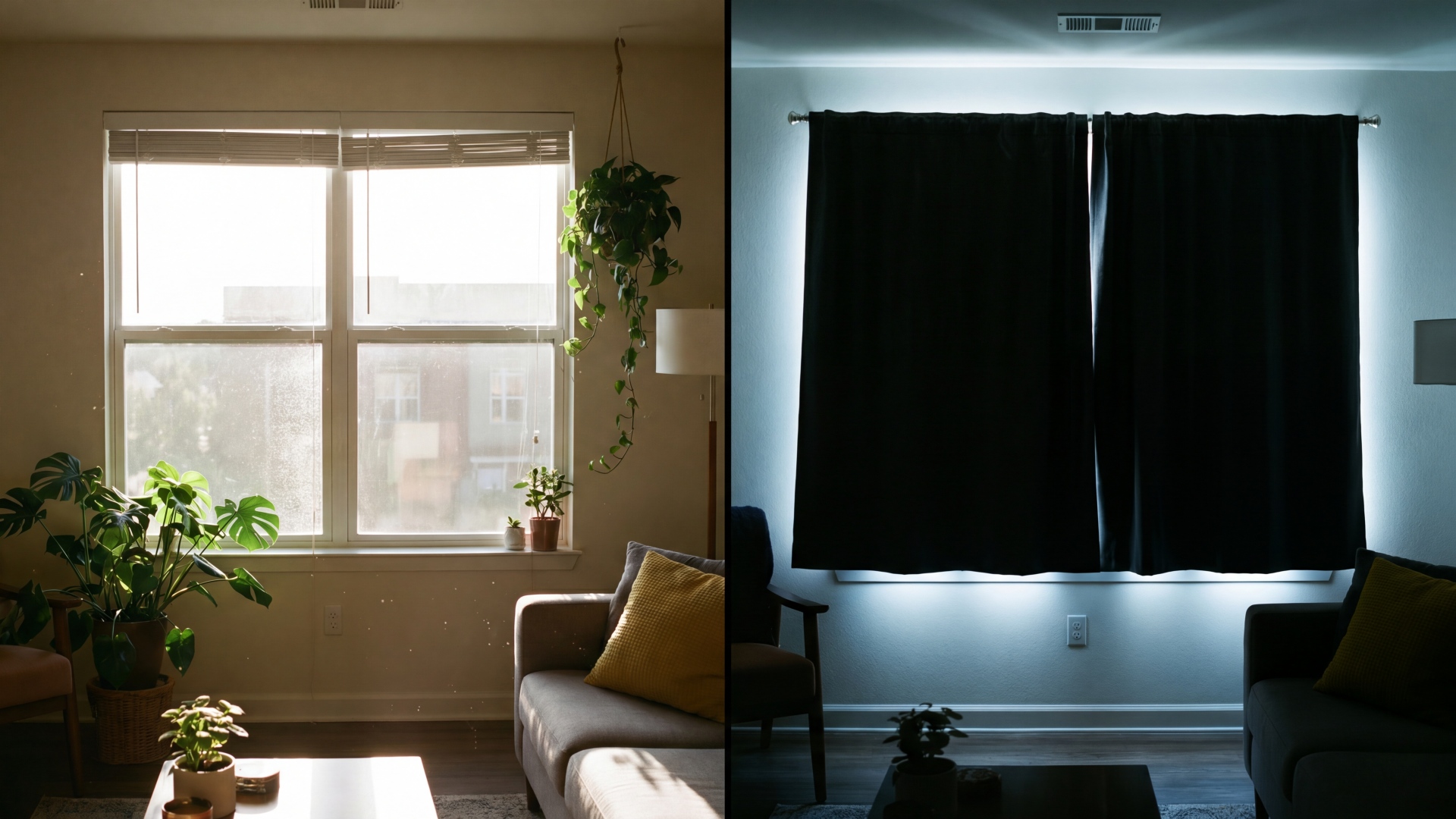
Many homeowners make the mistake of opening windows throughout the day, assuming that more airflow automatically means cooler temperatures. During a heat wave, that can sometimes bring additional hot air inside.
Effective cooling tips for extreme heat often focus on keeping heat outside before trying to cool indoor air.
Simple strategies include:
Close curtains and blinds during peak sunlight hours
Open windows early morning or late evening
Create cross ventilation at night
Limit oven and dryer use during hot afternoons
Keep interior doors open for better circulation
People in online home communities frequently describe this approach as treating the house like an insulated cooler: seal cool air in and block heat from entering.
Finding the Best AC Settings During Heatwave Conditions
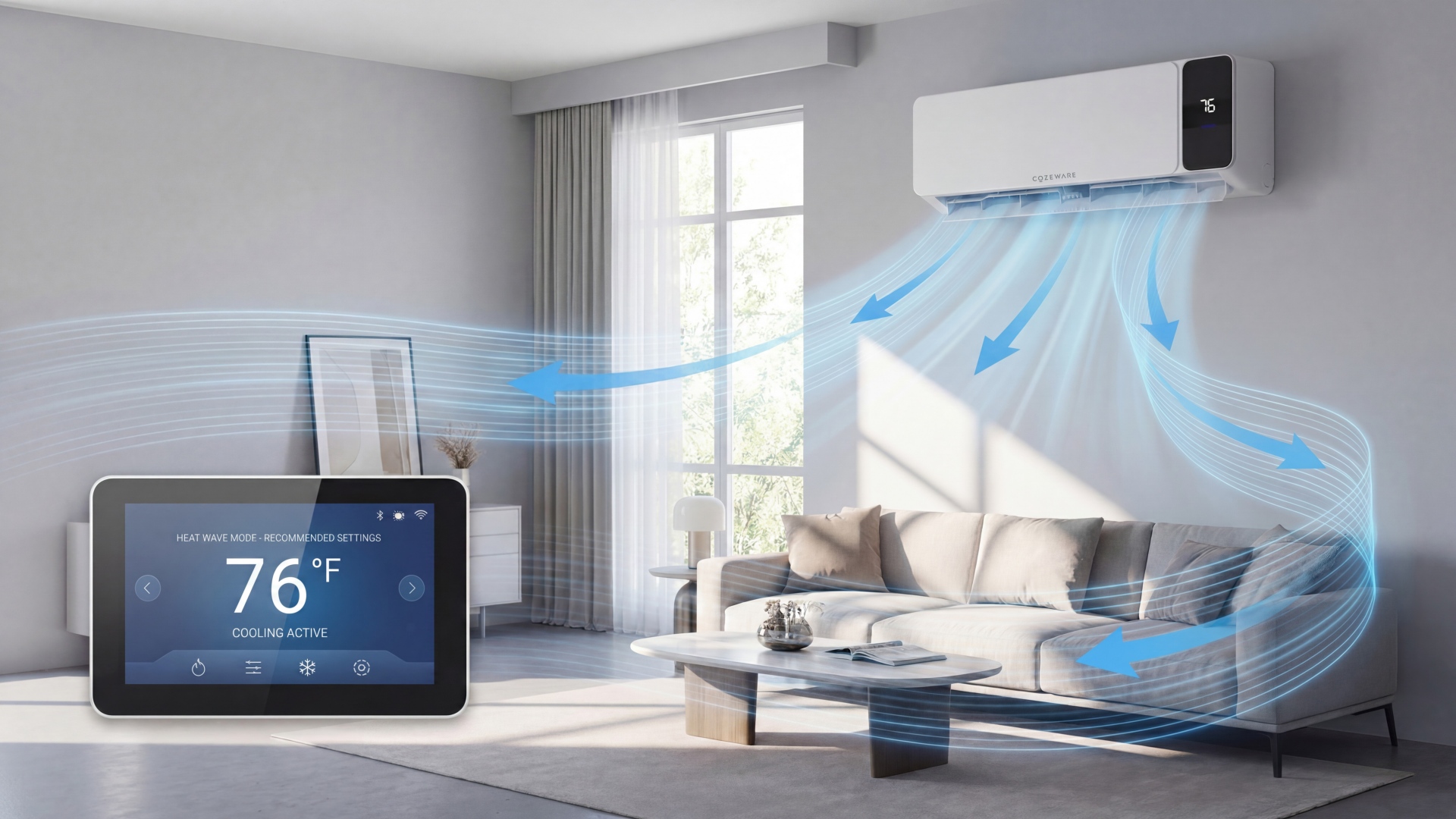
The best AC settings during heatwave situations are often warmer than many people expect.
Some homeowners immediately lower the thermostat dramatically to around 18–20°C (64–68°F), believing this will cool rooms faster. HVAC experts consistently explain that this does not speed cooling significantly and can force the system to run continuously.
Instead, recommended settings often include:
Maintain a stable temperature
Around 24–26°C (75–78°F) during the day
Slight adjustments during sleep if needed
Avoid repeatedly lowering and raising settings
Use fan support
Running ceiling fans or portable fans alongside AC helps distribute cool air throughout the room.
Several users also recommend using "dry mode" or dehumidification settings when humidity levels are high because lower humidity often makes rooms feel cooler without additional energy use.
How to Prevent AC Overload in Summer
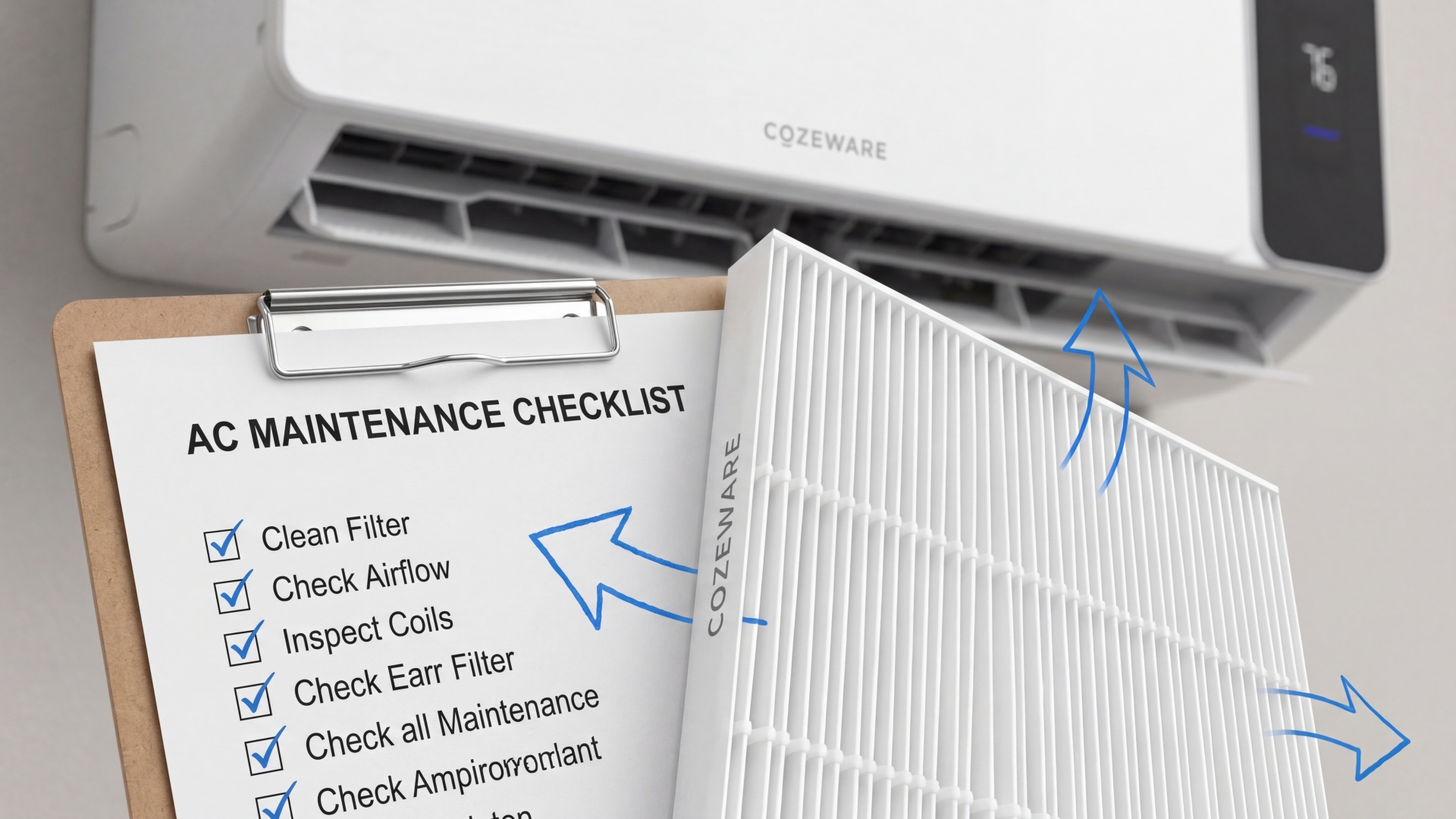
One of the most common homeowner concerns during long periods of high temperatures is system performance.
To prevent AC overload in summer, homeowners should reduce unnecessary stress on the cooling system.
Improve airflow efficiency
Helpful practices include:
Replace or clean air filters regularly
Keep indoor vents unobstructed
Clean outdoor condenser areas
Remove dust buildup around units
Energy Saving Cooling Tips for Better Comfort
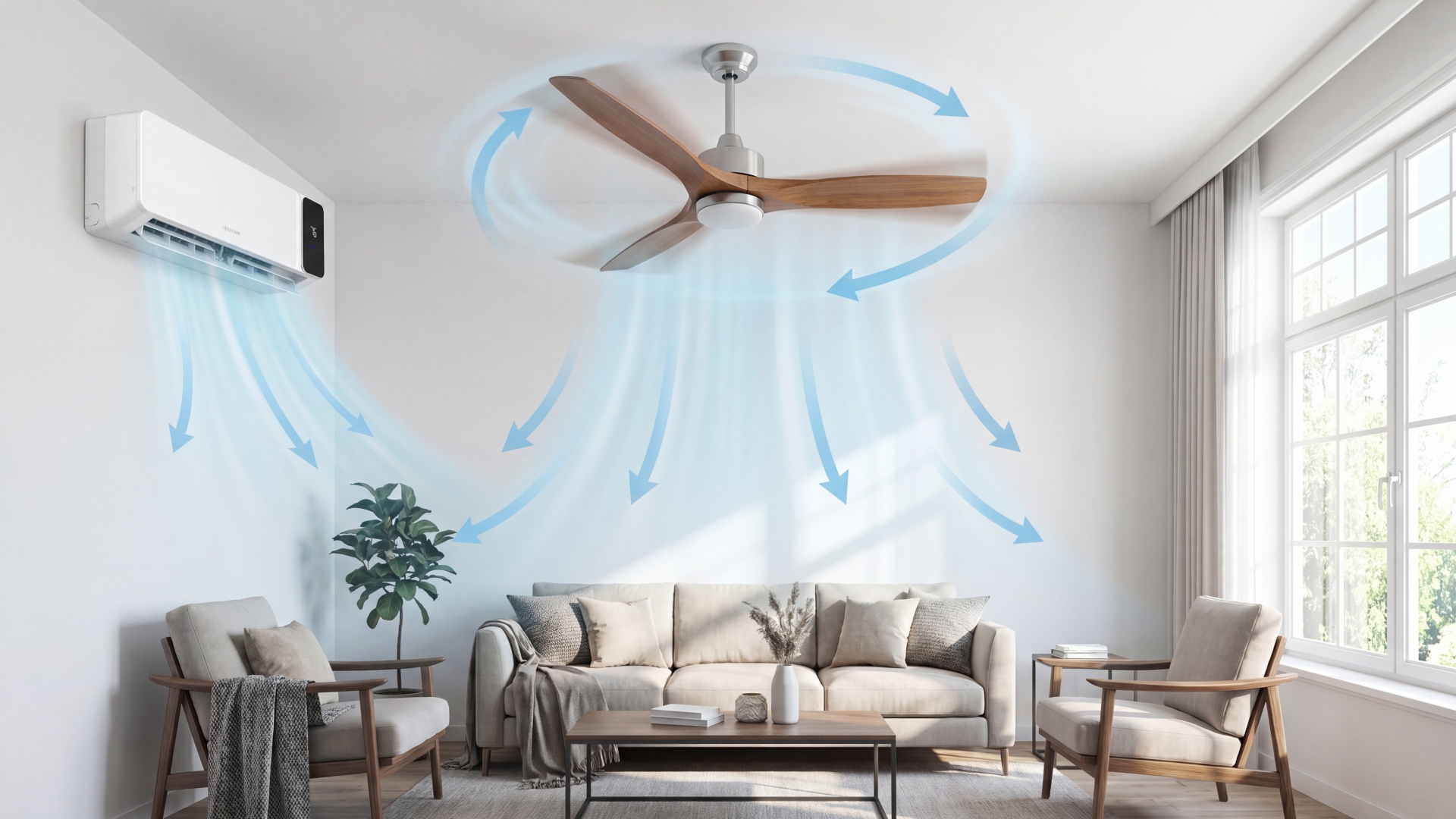
A complete heat wave home cooling guide involves combining several smaller strategies instead of depending entirely on one device.
For example:
Morning:
Open windows for cooler outside air
Ventilate rooms
Afternoon:
Close curtains and blinds
Limit heat-producing activities
Evening:
Create airflow using fans
Lower indoor humidity
Prepare sleeping areas
Small adjustments repeated consistently often create a noticeable difference during extended heat waves. Homeowners across online communities repeatedly mention that routines and timing can matter just as much as cooling equipment itself.
Creating a Cooler Home During Heat Waves
Understanding how to keep house cool during heat wave situations involves balancing indoor temperature, airflow, and system efficiency. Effective cooling strategies do not always require stronger equipment or dramatically lower thermostat settings.
By combining smart cooling habits, proper AC use, and practical home adjustments, households can create more comfortable spaces while reducing unnecessary strain on cooling systems and energy use.