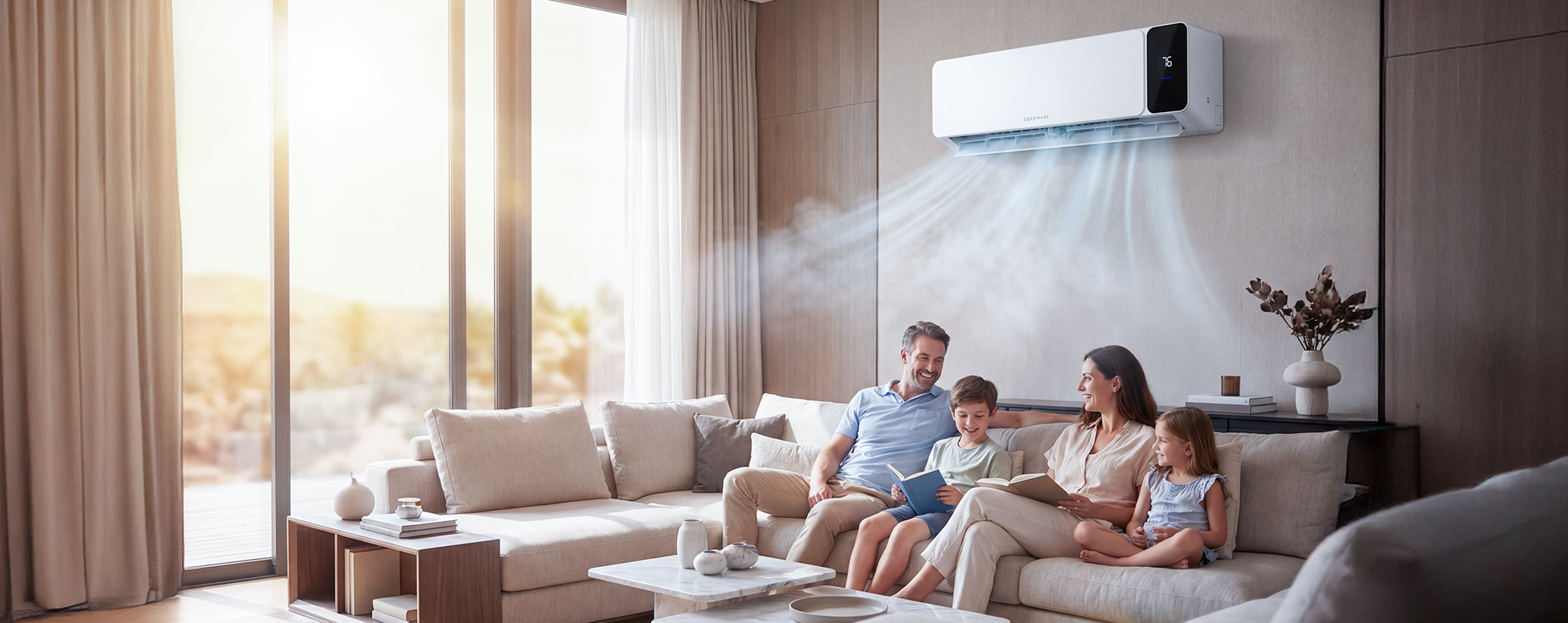
When temperatures reach record highs, many homeowners wonder how to keep house cool during extreme heat without dramatically increasing electricity bills. Extreme weather places additional stress on both people and cooling systems, making it essential to use smart techniques that improve comfort while maintaining efficiency.
Instead of relying solely on lowering the thermostat, combining better insulation, smart airflow management, and proper air conditioner maintenance can create a much cooler indoor environment. These practical solutions not only improve comfort but can also help reduce unnecessary energy consumption throughout the hottest months of the year.
Cooling Tips During Heat Wave: Start with Your Home Environment
One of the easiest cooling tips during heat wave conditions is reducing the amount of heat entering your home in the first place.
Sunlight passing through windows can significantly increase indoor temperatures, especially during the afternoon. Closing blinds or curtains during peak sunlight hours helps block solar heat before it enters the room.
Additional ideas include:
Keep curtains and blinds closed during the hottest hours
Open windows during cooler evenings when outdoor temperatures drop
Use ceiling fans to circulate conditioned air
Avoid using ovens and heat-generating appliances during midday
These simple heatwave cooling advice and hot weather cooling tips work together to reduce indoor heat buildup and make your air conditioning system work less.
Protect AC During Heatwave for Better Performance
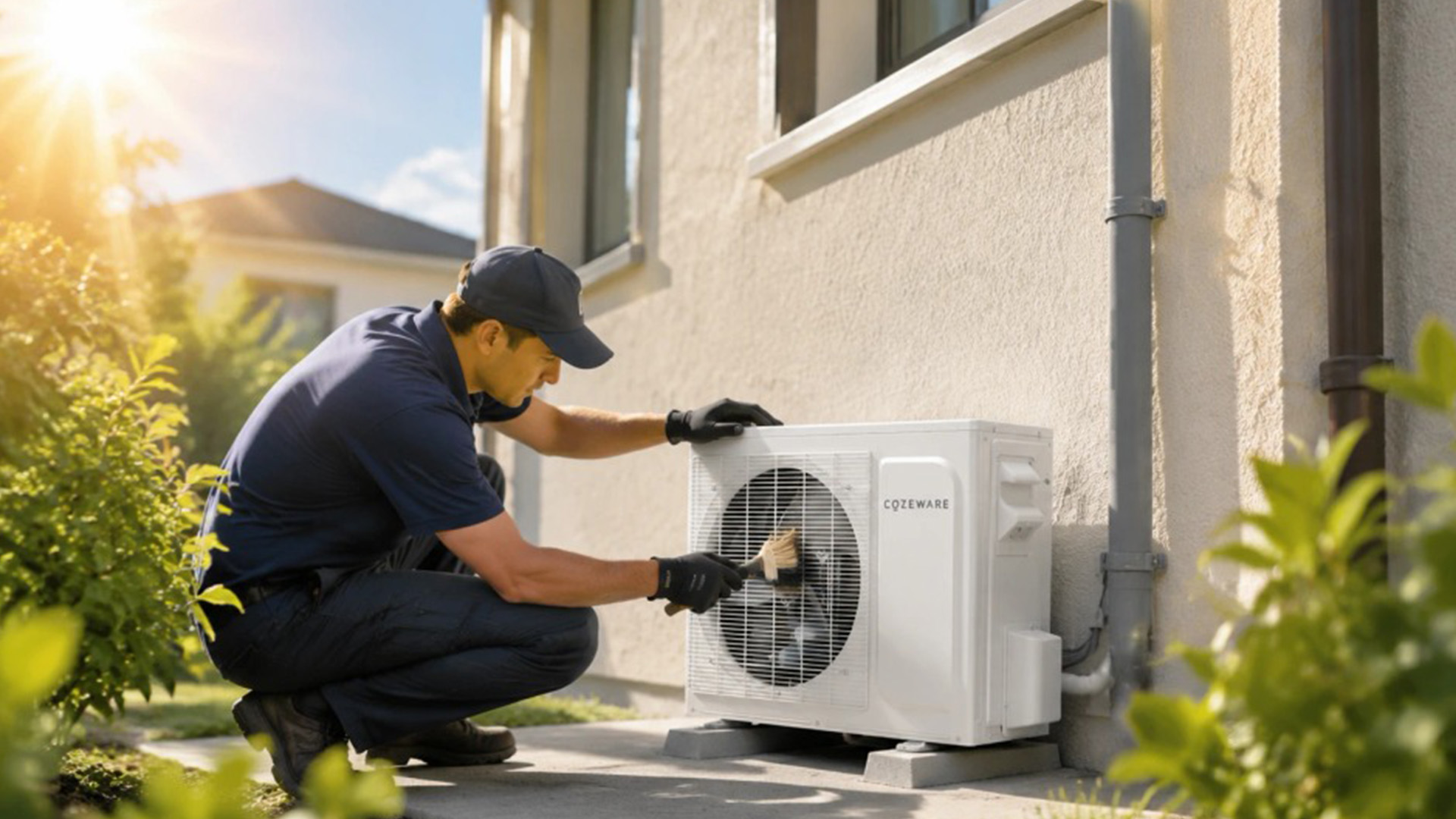
Running an air conditioner continuously during extremely hot weather can place additional strain on the system. Learning how to protect AC during heatwave conditions helps maintain performance and extend equipment lifespan.
Some important maintenance practices include:
Clean or Replace Air Filters
Dirty filters restrict airflow, forcing the system to work harder and consume more energy.
Keep Outdoor Units Clear
Leaves, dust, and debris can reduce airflow around the condenser unit. Keeping the area clean allows heat to dissipate more effectively.
Avoid Constant Temperature Changes
Frequently lowering and raising the thermostat causes unnecessary cycling. Maintaining a stable setting helps improve efficiency.
Schedule Regular Maintenance
Professional inspections can identify small issues before they become costly repairs during peak summer demand.
These air conditioner protection measures and AC maintenance during hot weather help ensure reliable operation when cooling is needed the most.
Cooling Strategies Summer Homeowners Should Follow
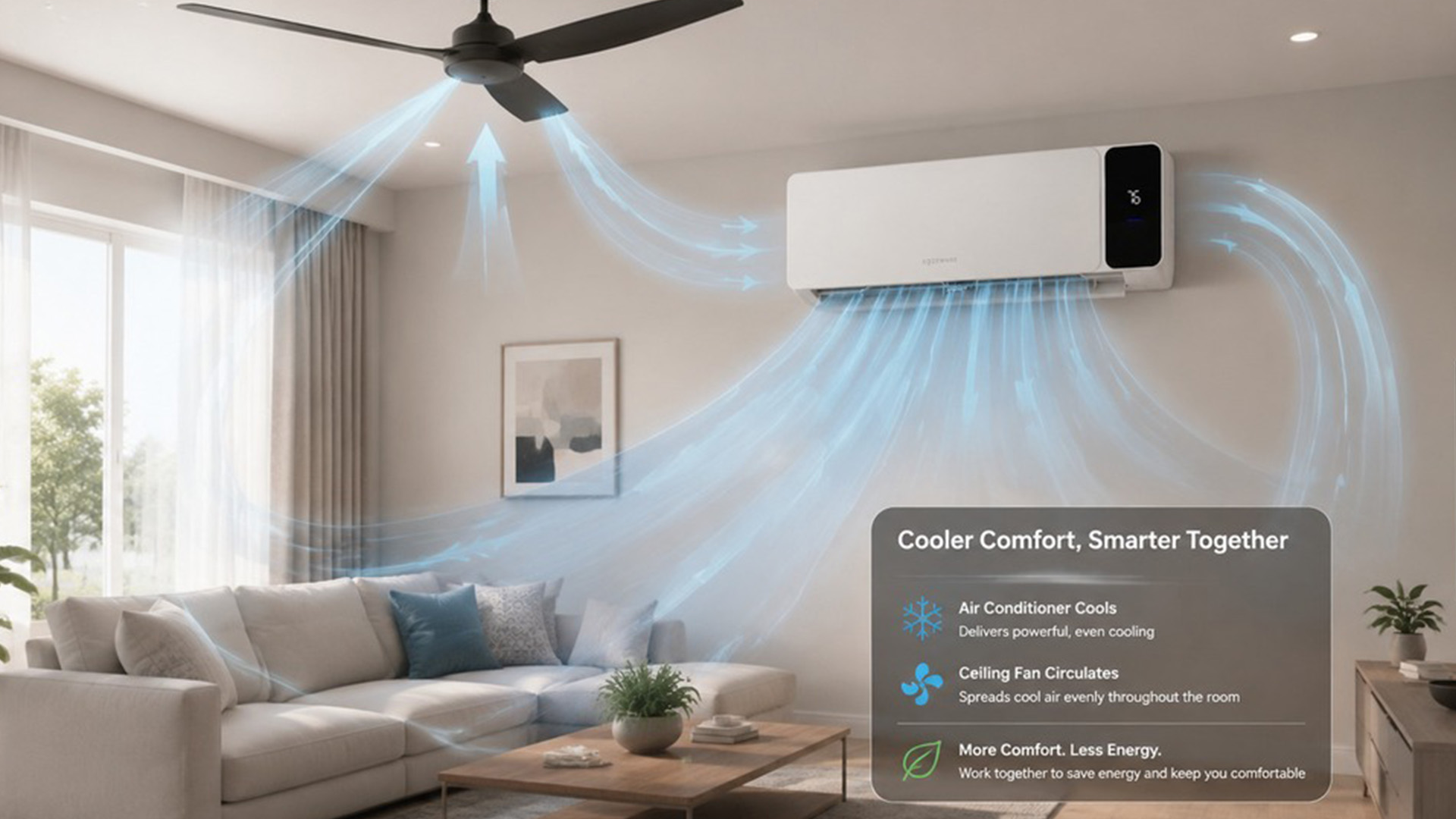
Effective cooling strategies summer plans involve more than simply lowering the temperature setting.
Smart cooling combines airflow management, humidity control, and efficient scheduling to create a comfortable indoor environment.
Helpful strategies include:
Run ceiling fans together with air conditioning
Seal air leaks around doors and windows
Use programmable schedules for cooling
Keep interior doors open to improve airflow when appropriate
Reduce indoor heat sources during the day
These summer cooling techniques and warm weather temperature management methods help maintain consistent comfort while preventing unnecessary energy waste.
Small adjustments throughout the home often produce noticeable improvements without requiring major renovations.
Creating Extreme Heat Home Comfort for the Entire Family
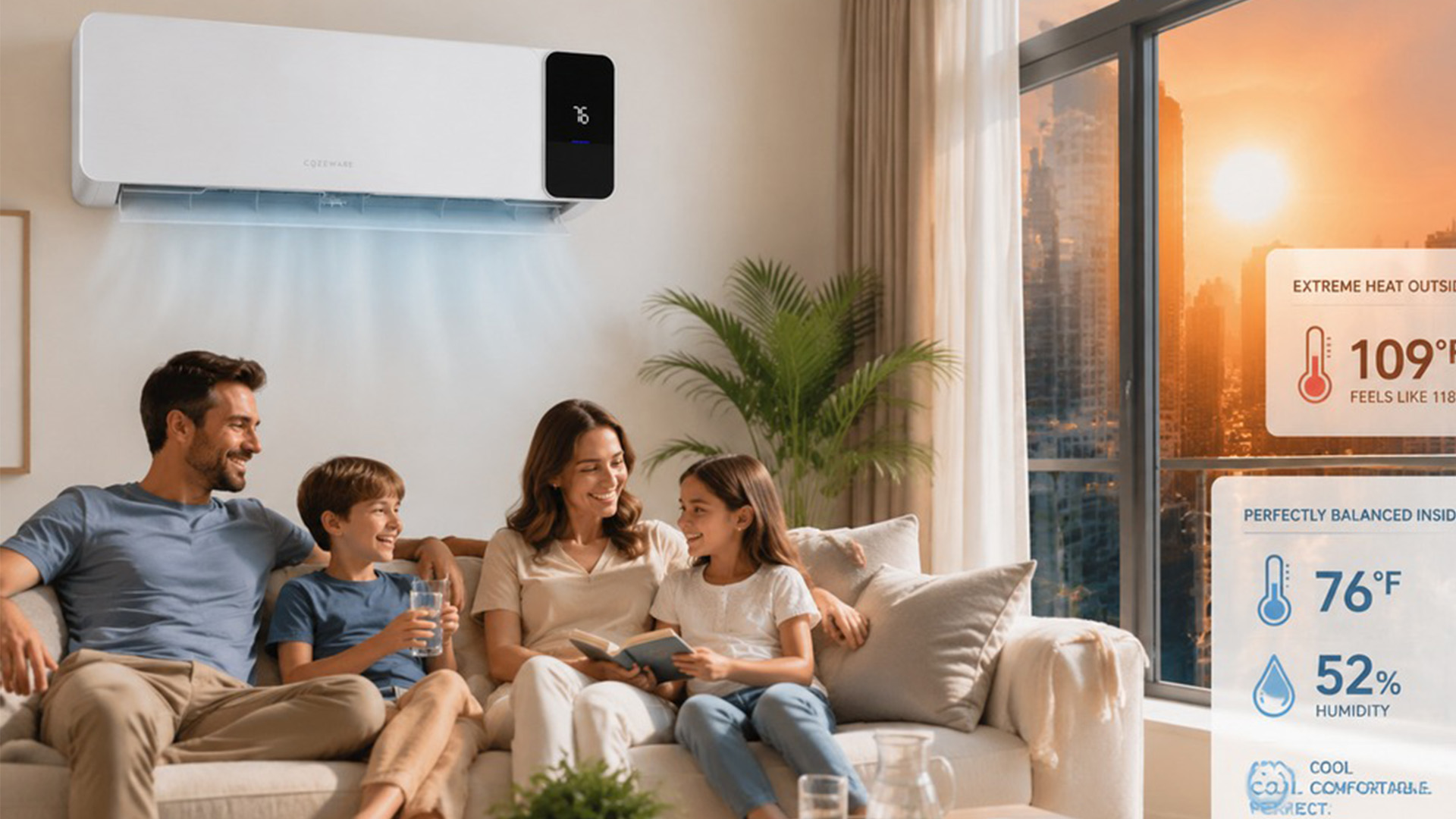
Maintaining extreme heat home comfort becomes especially important for families with children, older adults, or anyone spending extended periods indoors.
Comfort depends on more than air temperature alone. Humidity, airflow, and air quality all contribute to how cool a room actually feels.
To improve indoor comfort:
Maintain consistent indoor temperatures
Increase air circulation between rooms
Stay hydrated throughout the day
Use breathable fabrics for bedding and furniture
Minimize unnecessary heat-producing electronics
These heat resilience at home and indoor comfort during extreme temperatures practices create a healthier and more pleasant environment during prolonged hot weather.
Modern smart air conditioning systems can further optimize indoor conditions by automatically adjusting cooling based on changing environmental factors.
Energy Efficient Cooling Methods Save Money Without Sacrificing Comfort
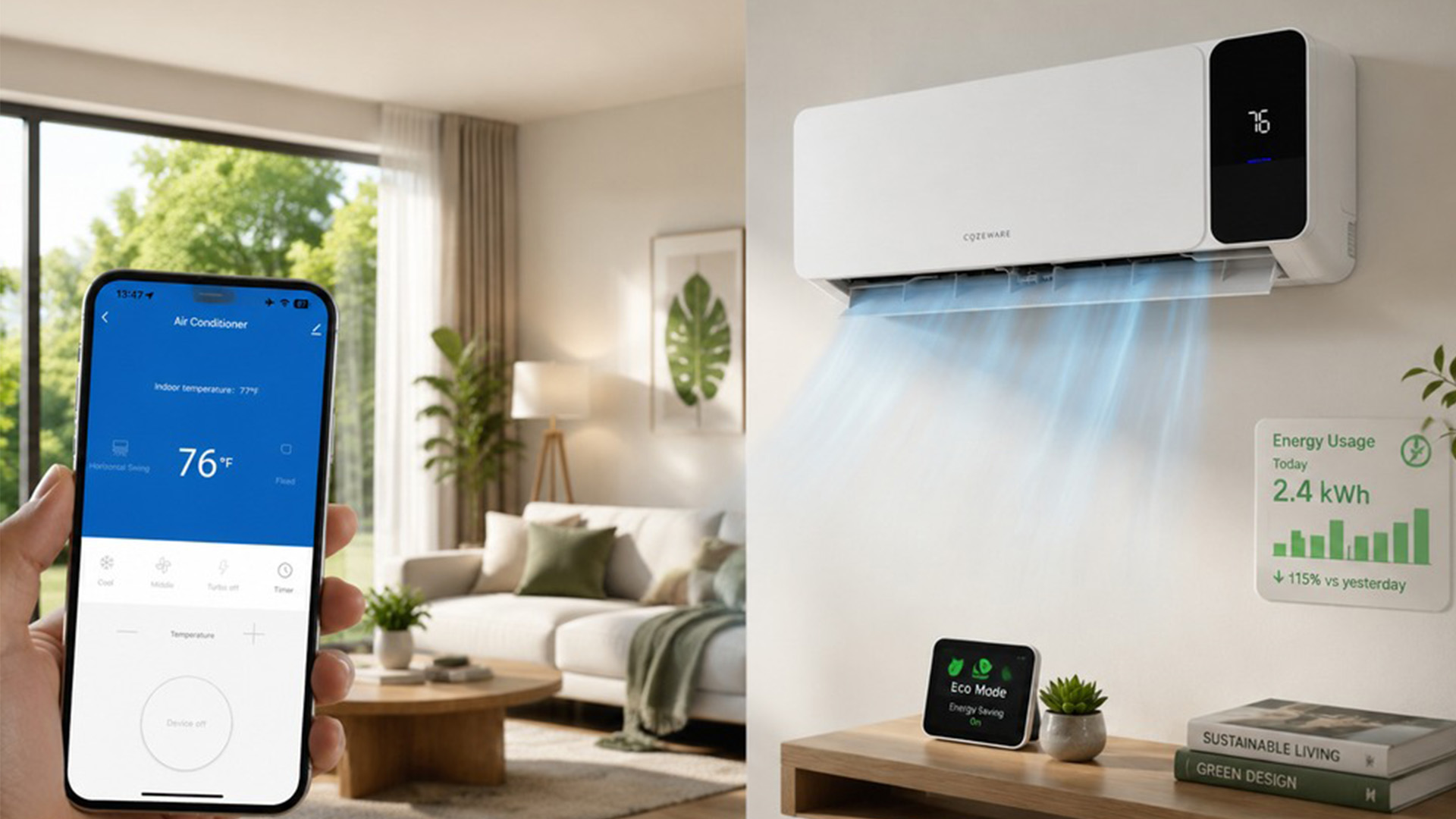
Many homeowners assume that setting the thermostat to the lowest possible temperature will cool their home faster. In reality, using energy efficient cooling methods often produces better results while reducing electricity costs.
Some effective approaches include:
Smart Thermostat Scheduling
Automatic schedules reduce unnecessary operation when no one is home.
Proper Insulation
Well-insulated homes retain cooled air longer and reduce system workload.
Zoning Cooling Areas
Focus cooling on occupied rooms instead of the entire house whenever possible.
Routine Equipment Maintenance
Clean systems operate more efficiently and use less electricity.
These energy-saving cooling solutions and efficient home cooling practices allow homeowners to maintain comfort while managing long-term operating costs.
Investing in smarter cooling habits today can provide benefits throughout every summer season.