
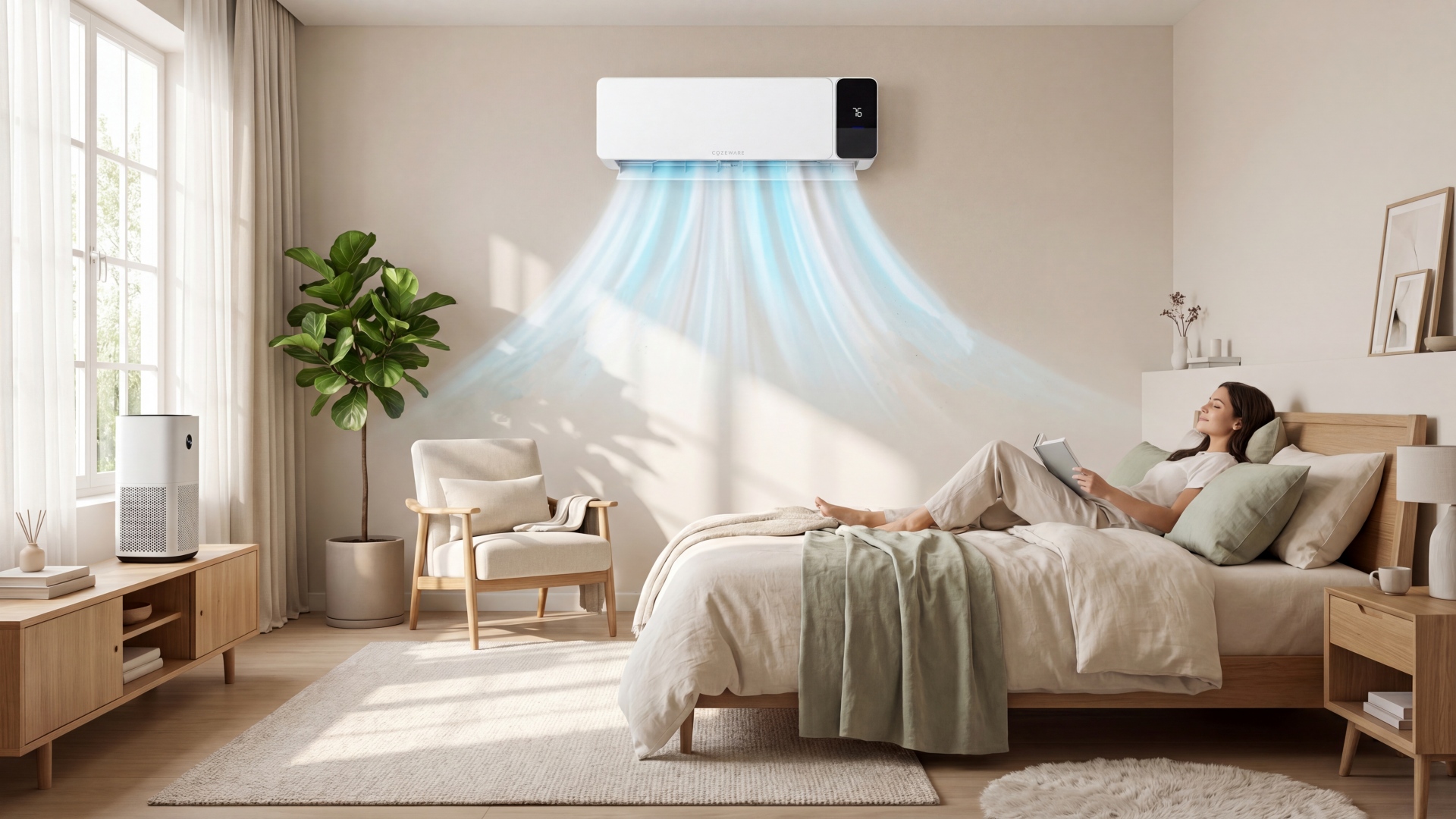
When most people think about an air conditioner, they think of one thing—keeping the house cool. While temperature control is certainly its primary job, today's modern air conditioning systems can do much more. A well-designed AC system doesn't just create a comfortable indoor environment; it can also help improve indoor air quality at home by reducing airborne particles, controlling humidity, and promoting healthier airflow.
As homeowners spend nearly 90% of their time indoors, indoor air quality (IAQ) has become just as important as indoor temperature. Dust, pollen, pet dander, mold spores, and fine particulate matter can all accumulate inside your home, affecting both comfort and health. Fortunately, choosing the right air conditioning system and maintaining it properly can make a noticeable difference.
Why Indoor Air Quality Matters
Poor indoor air quality can trigger allergies, worsen asthma symptoms, and create an uncomfortable living environment. Common indoor pollutants include:
Dust and dust mites
Pollen from outside
Pet hair and dander
Mold spores
PM2.5 fine particles
Household odors and volatile organic compounds (VOCs)
Many people assume that an air purifier is the only solution, but your air conditioner also plays an important role in filtering and circulating cleaner air throughout your home.
Can an AC Help With Allergies?
If you or your family suffer from seasonal allergies, selecting the right AC for allergies can significantly improve everyday comfort.
Modern mini split systems continuously circulate indoor air through washable or replaceable filters. These filters capture many common airborne particles before the conditioned air is redistributed throughout the room.
To maximize performance:
Clean or replace filters regularly.
Keep indoor and outdoor units well maintained.
Pair your AC with good ventilation when outdoor air quality is favorable.
While an air conditioner is not a medical-grade filtration device, it can reduce everyday exposure to dust, pollen, and other allergens when properly maintained.
Air Purifier vs. Air Conditioner: What's the Difference?
Many homeowners ask whether they need an air purifier if they already have an air conditioner.
The answer depends on your home's needs.
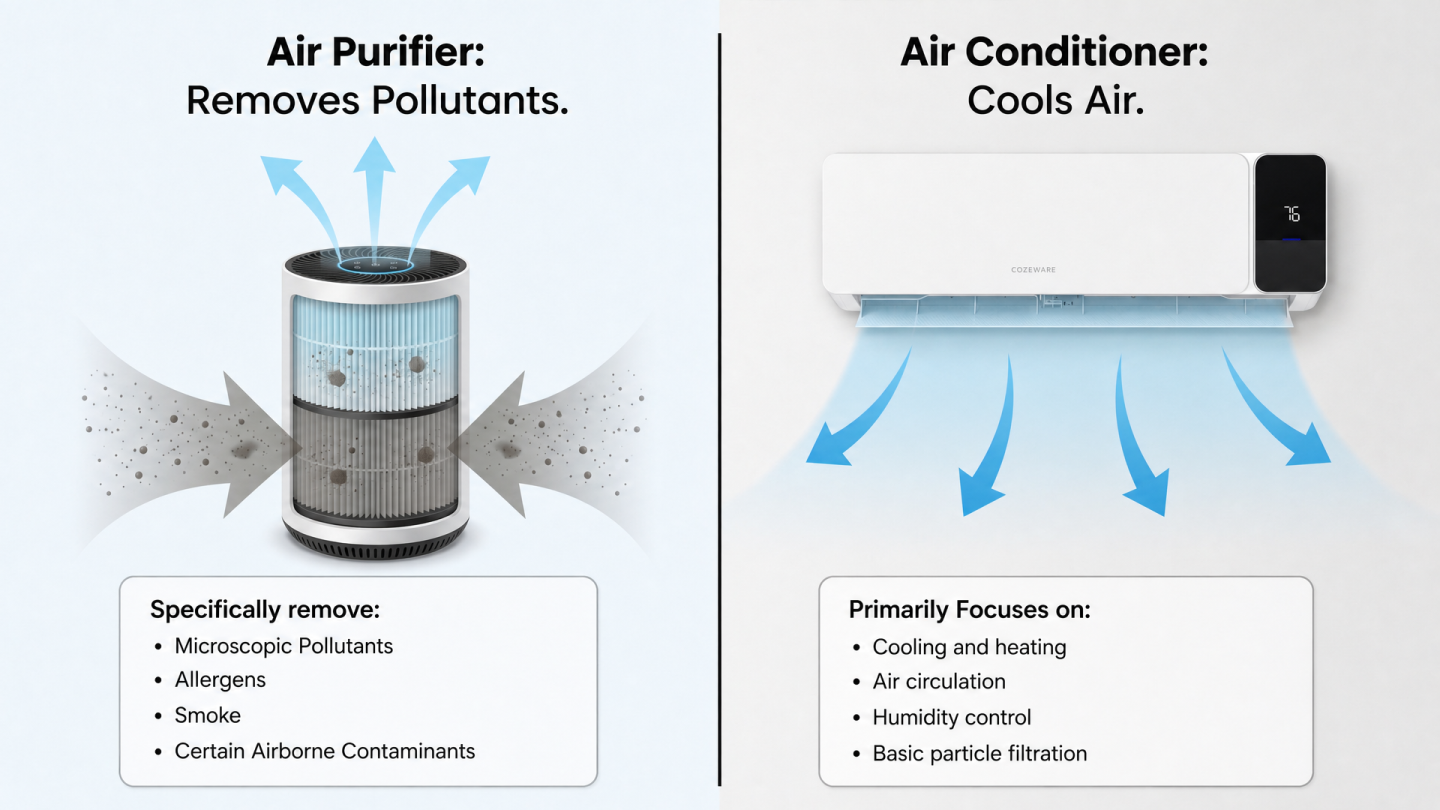
An air conditioner primarily focuses on:
Cooling and heating
Air circulation
Humidity control
Basic particle filtration
An air purifier, on the other hand, is specifically designed to remove microscopic pollutants, allergens, smoke, and certain airborne contaminants through advanced filtration technologies.
Rather than replacing one another, the two products often work best together. A modern mini split paired with an air purifier can create a healthier, more comfortable indoor environment.
How Your AC Helps Reduce Indoor Dust and Pollen
One of the biggest advantages of running your air conditioner regularly is continuous air circulation.
As air passes through the filtration system, many airborne particles—including dust and pollen—are captured before being recirculated. Over time, this helps reduce indoor dust and pollen, making your home cleaner and more comfortable.
However, dirty filters reduce airflow and filtration performance. Cleaning your filters every one to three months, depending on usage and indoor conditions, helps maintain both cooling efficiency and air quality.

Healthy Indoor Airflow Makes a Difference
Temperature isn't the only factor that affects comfort. Poor airflow can create hot spots, stale air, and uneven humidity throughout your home.
Modern ductless mini split systems are designed to deliver healthy indoor airflow by distributing conditioned air more evenly across the room. Features such as multiple fan speeds, wide-angle airflow, and smart airflow adjustment help eliminate stagnant areas while improving overall comfort.
Consistent airflow also helps maintain stable indoor humidity, reducing conditions that encourage mold and mildew growth.
Why PM2.5 Filtration Matters
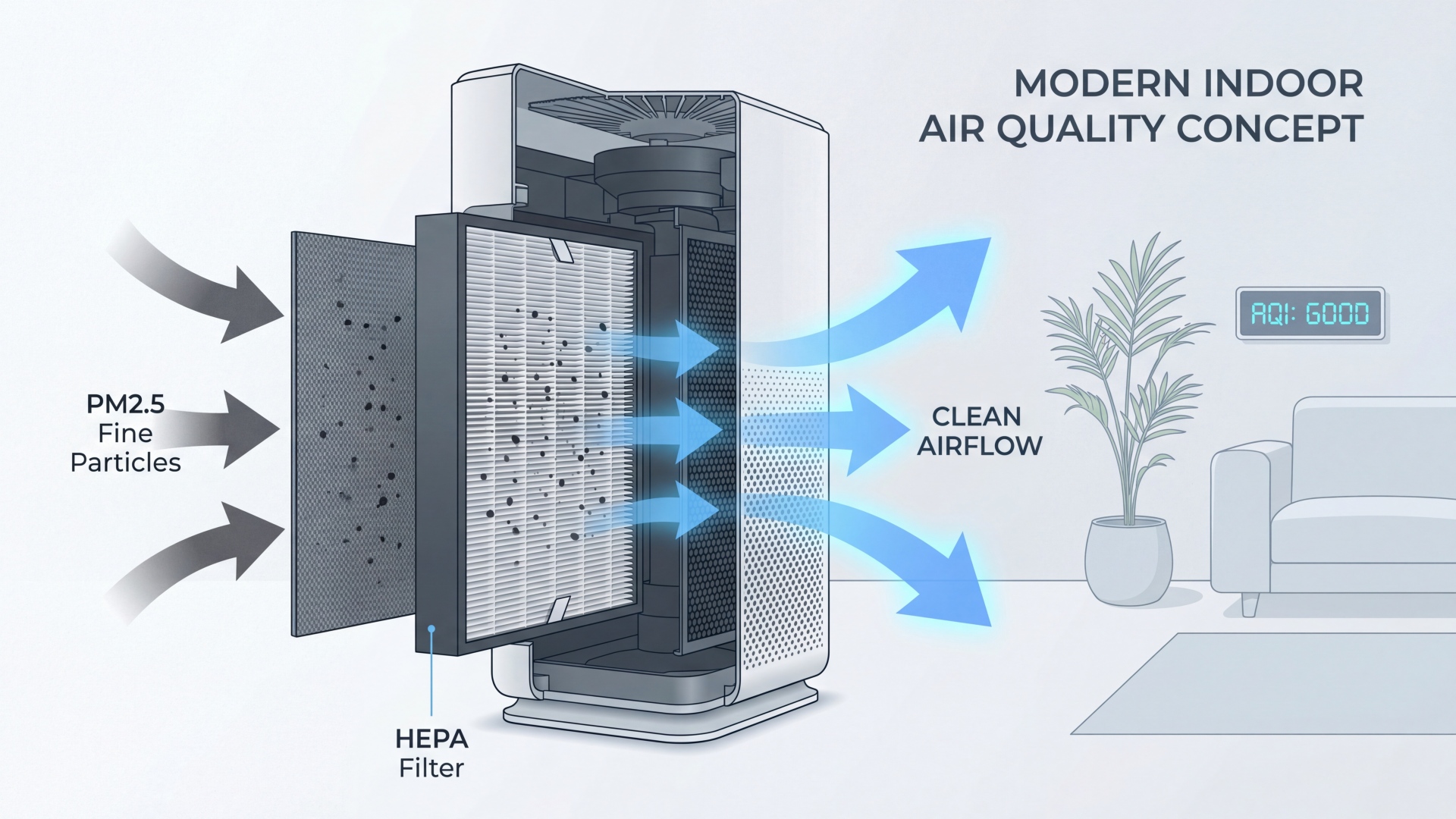
Fine particulate matter, commonly known as PM2.5, consists of tiny airborne particles that can penetrate deep into the lungs. These particles may come from outdoor pollution, cooking, smoke, or other household activities.
While a dedicated PM2.5 air filtration system offers the highest level of protection, many modern air conditioning systems include multi-stage filtration that helps capture a portion of these fine particles while continuously circulating indoor air.
For homeowners living in urban areas or regions affected by wildfire smoke, combining efficient air conditioning with advanced air filtration provides an effective strategy for improving indoor air quality.
Choose an Air Conditioner That Supports a Healthier Home
Today's air conditioners are no longer just cooling appliances—they are part of your home's overall comfort and wellness system.
When shopping for a new mini split, look beyond BTU capacity and energy efficiency. Consider features such as:
High-quality air filtration
Energy-efficient inverter technology
Smart airflow control
Quiet operation
Easy-to-clean filters
Humidity management
These features work together to create cleaner, fresher, and more comfortable indoor air throughout the year.