Choosing the best mini split 2026 is no longer just about cooling power, it’s about efficiency, comfort, and smart control. Today’s systems are designed to deliver better airflow, quieter operation, and lower energy consumption compared to traditional HVAC units.
A best ductless mini split air conditioner works without ductwork, making it a more efficient and flexible solution for modern homes. Whether you need cooling for a single room or multiple zones, mini splits provide targeted comfort while reducing energy waste.
In this guide, we’ll break down what makes a system worth buying, explore key features like efficiency and noise level, and compare the top mini split systems 2026 to help you make the right decision.
Why Mini Splits Are the Top Choice in 2026

Mini split systems have become increasingly popular due to their energy-saving capabilities and flexible installation. Unlike traditional systems, they allow you to control temperature room by room, improving both comfort and efficiency.
Energy Saving Benefits
One of the biggest advantages of an energy efficient mini split 2026 is its ability to reduce electricity usage. With inverter technology, these systems adjust power based on real-time demand instead of constantly turning on and off.
This results in:
Lower monthly energy bills
More stable indoor temperatures
Reduced wear and tear on components
What Makes a Quiet Mini Split System?
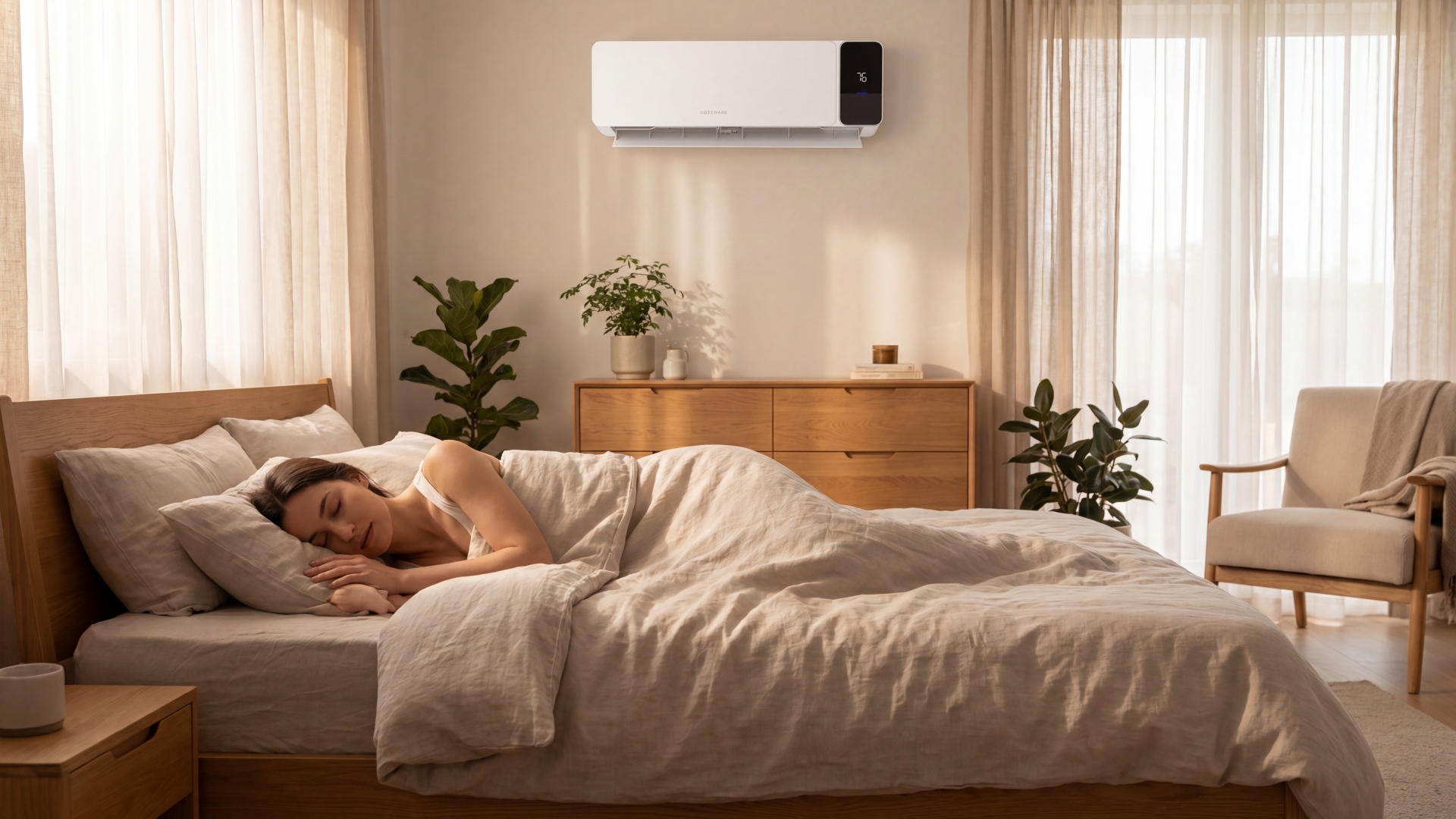
Noise level is a key factor when choosing the right system, especially for bedrooms or workspaces. A quiet mini split system can operate at sound levels as low as 20–30 dB, making it significantly quieter than traditional air conditioners.
Why Quiet Operation Matters
A low-noise system improves daily comfort by:
Reducing sleep disturbances
Creating a better work environment
Minimizing background noise in living spaces
Many of the top mini split systems 2026 now prioritize silent performance through improved fan design and airflow technology.
Best Mini Split Brands Comparison for 2026
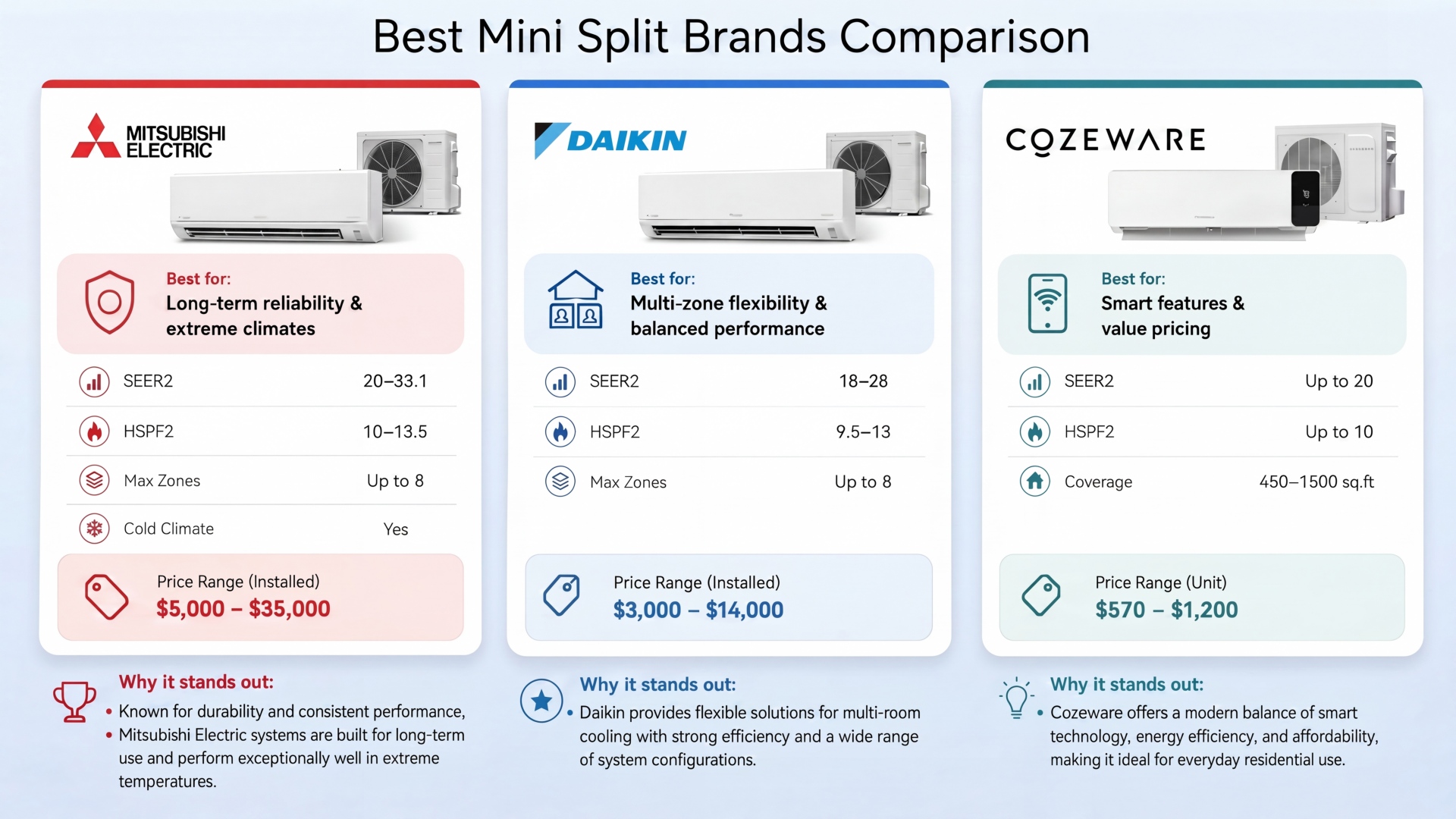
When comparing the best mini split brands comparison, it’s important to evaluate performance, efficiency, and long-term value—not just price.
Mitsubishi Electric
Best for: Long-term reliability & extreme climates
SEER2: 20–33.1
HSPF2: 10–13.5
Max Zones: Up to 8
Cold Climate: Yes
Price Range: $5,000 – $35,000 installed
Why it stands out:
Known for durability and consistent performance, Mitsubishi Electric systems are built for long-term use and perform exceptionally well in extreme temperatures.
Daikin
Best for: Multi-zone flexibility & balanced performance
SEER2: 18–28
HSPF2: 9.5–13
Max Zones: Up to 8
Price Range: $3,000 – $14,000 installed
Why it stands out:
Daikin provides flexible solutions for multi-room cooling with strong efficiency and a wide range of system configurations.
Cozeware
Best for: Smart features & value pricing
SEER2: Up to 20
HSPF2: Up to 10
Coverage: 450–1500 sq.ft
Price Range: $570 – $1,200
Why it stands out:
Cozeware offers a modern balance of smart technology, energy efficiency, and affordability, making it ideal for everyday residential use.
How to Choose the Best Mini Split System
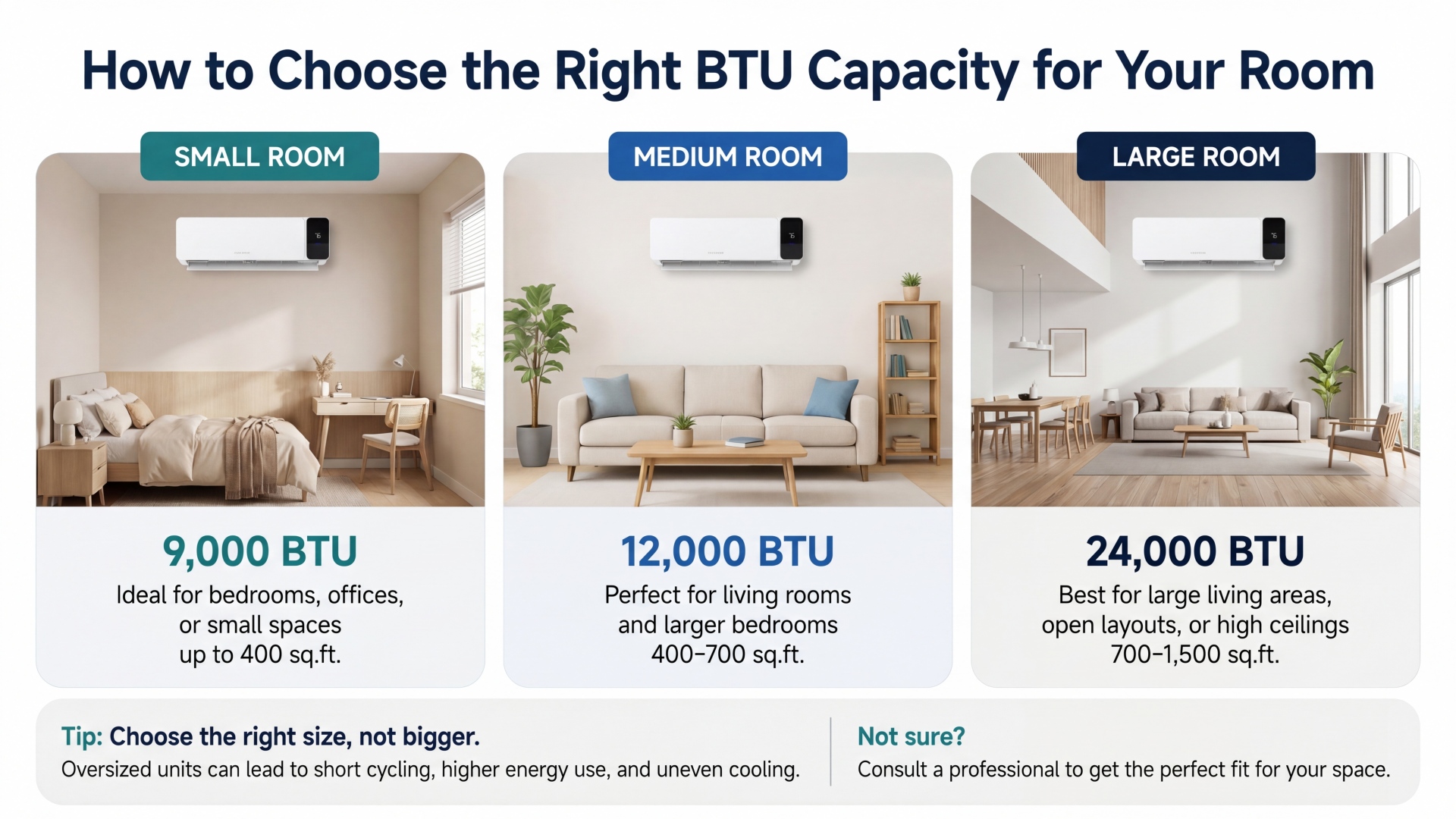
Selecting the right system depends on your space, budget, and comfort preferences.
1. Choose the Right Size
Small rooms → 9,000 BTU
Medium rooms → 12,000 BTU
Large areas → 24,000 BTU
Choosing the wrong size can reduce efficiency and performance.
2. Look for Energy Efficiency
An energy-saving mini split system with SEER2 18+ ensures better long-term savings and performance.
3. Check Noise Levels
If you prioritize comfort, go for a silent mini split AC with lower decibel ratings.
Conclusion: Finding the Best Mini Split 2026
The best mini split 2026 depends on your specific needs:
For premium durability → Mitsubishi Electric
For flexibility → Daikin
For smart features & value → Cozeware
All three are part of the top mini split systems 2026, offering different advantages depending on your priorities. By focusing on efficiency, noise level, and proper sizing, you can find a system that delivers long-term comfort and performance.