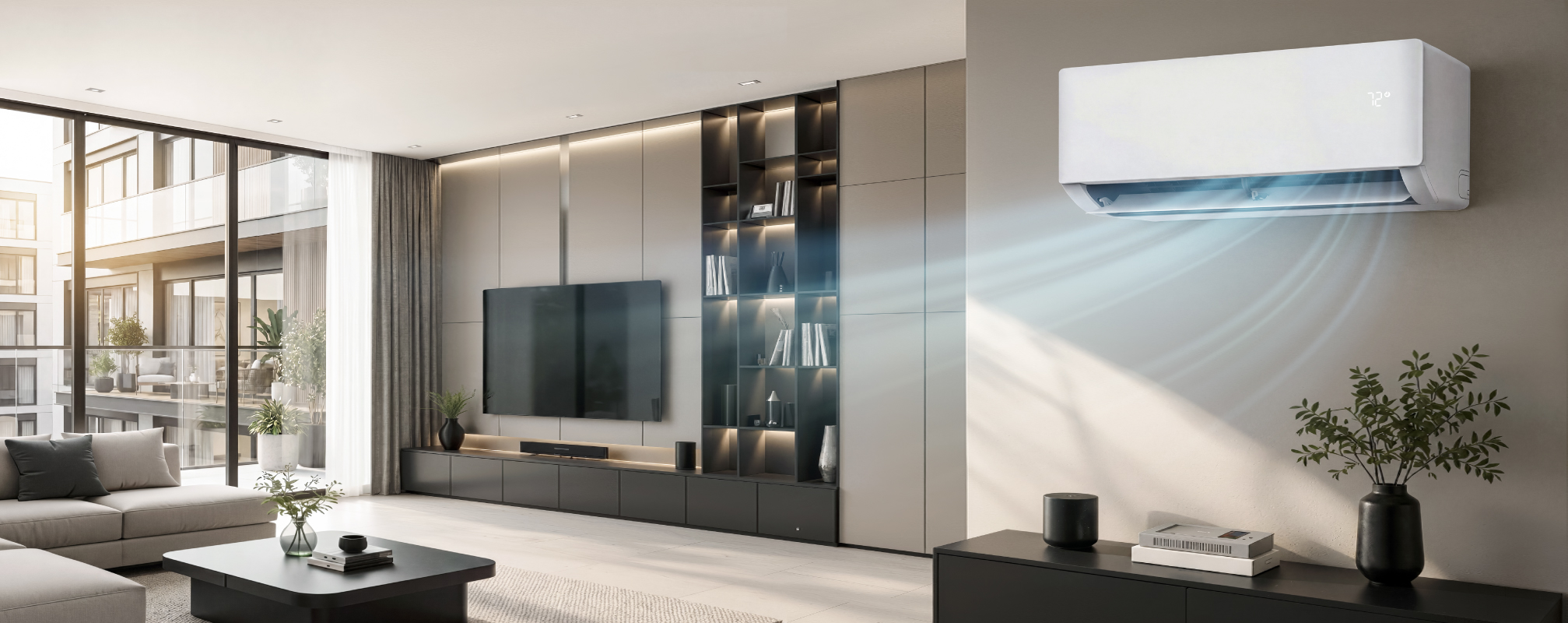
Home comfort technology has entered a new era. AI mini split systems are no longer a futuristic concept—they are becoming a practical, affordable reality for homeowners who want precise temperature control without the energy waste of traditional HVAC systems. These intelligent units combine the flexibility of ductless heating and cooling with the power of artificial intelligence, learning your habits and adjusting automatically to keep every room comfortable.
Whether you're renovating an older home without ductwork, adding a room addition, or simply looking to upgrade an inefficient system, AI mini split systems offer a compelling blend of convenience, efficiency, and modern design.
What Makes AI Mini Split Systems DIfferent?
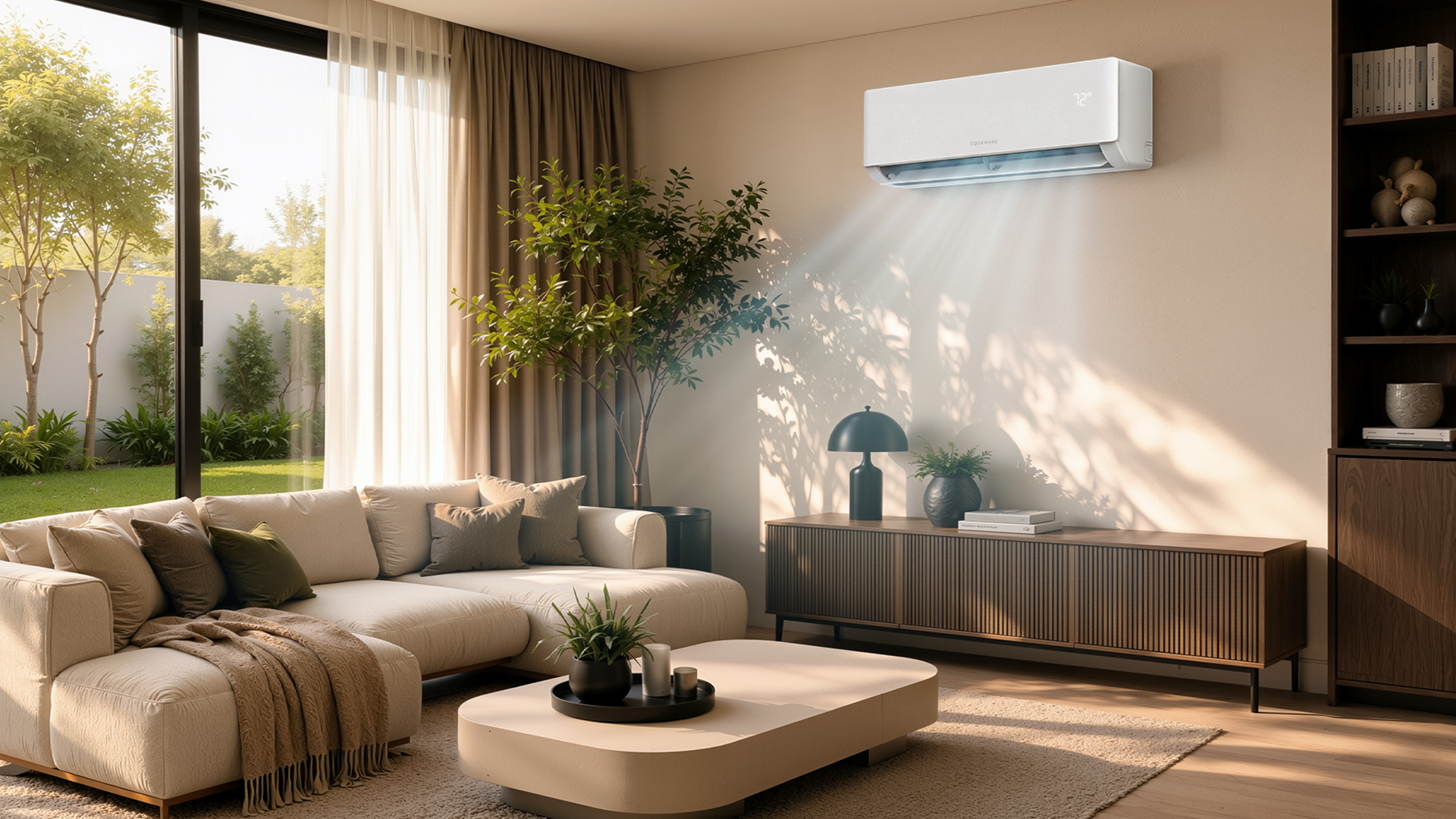
Traditional ductless systems already offered advantages over central HVAC—zone-specific control, easier installation, and reduced energy loss through ducts. AI-powered models take these benefits further by adding machine learning algorithms that study usage patterns, occupancy, and even outdoor weather conditions to optimize performance in real time.
Smart Mini Split Features That Stand Out
Modern units come packed with capabilities that were unimaginable just a decade ago. Some of the most notable smart mini split features include:
Occupancy sensors that detect when a room is empty and adjust output accordingly
Adaptive learning algorithms that build a profile of your preferred temperatures throughout the day
Weather-responsive adjustments that anticipate temperature swings before they happen
Energy usage reports delivered straight to your smartphone
Voice assistant compatibility with platforms like Alexa and Google Home
These intelligent capabilities mean the system isn't just reacting to your input—it's anticipating your needs. Over time, the unit becomes more efficient because it understands exactly when and how much heating or cooling each space requires.
The Rise of the App Controlled Mini Split
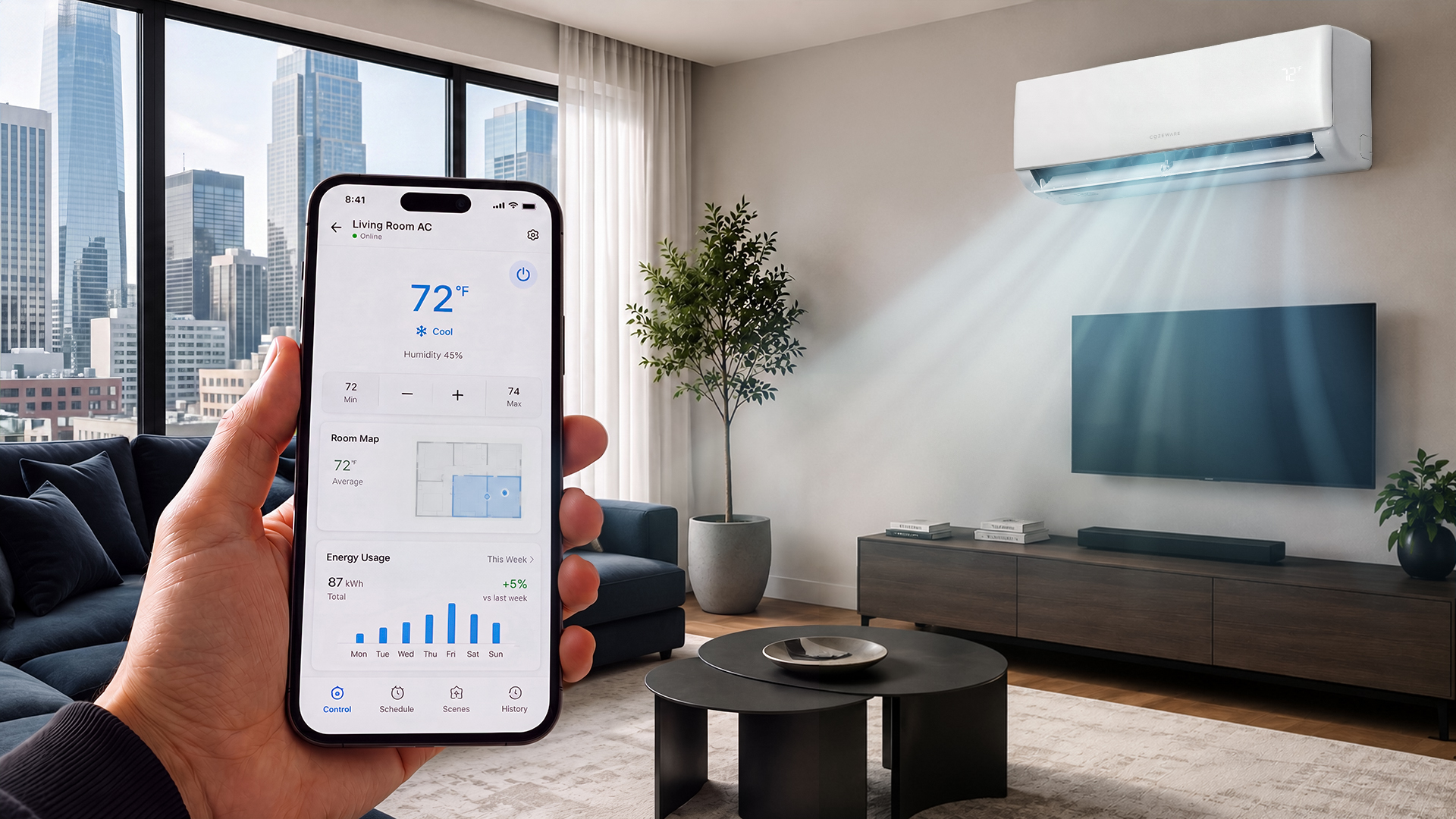
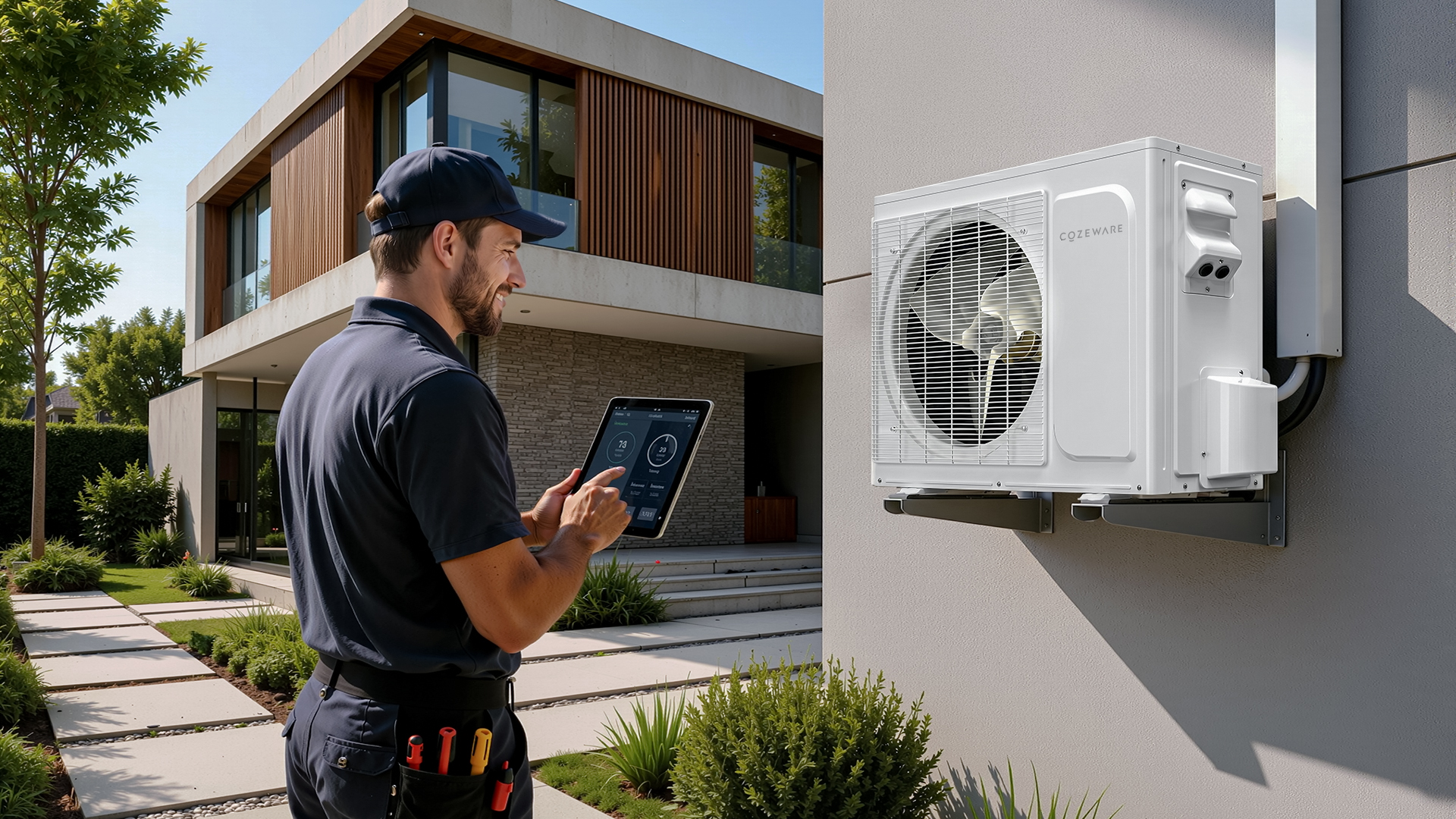
One of the most practical upgrades in this category is the app controlled mini split. Instead of relying solely on a wall-mounted thermostat or remote control, homeowners can manage their entire system from a smartphone, tablet, or computer—from anywhere in the world.
Key Benefits of App-Based Management
With a connected, smartphone-managed unit, users gain:
Remote temperature adjustments before arriving home
Scheduling features for different times of day or days of the week
Multi-zone management from a single dashboard
Real-time diagnostics and maintenance alerts
Integration with other smart home devices for whole-house automation
This level of mobile-based oversight gives families peace of mind, especially for vacation homes, rental properties, or rooms that are used infrequently. Instead of guessing whether you left the system running, a quick glance at your phone tells you everything you need to know.
How an AI Ductless Air Conditioner Improves Efficiency
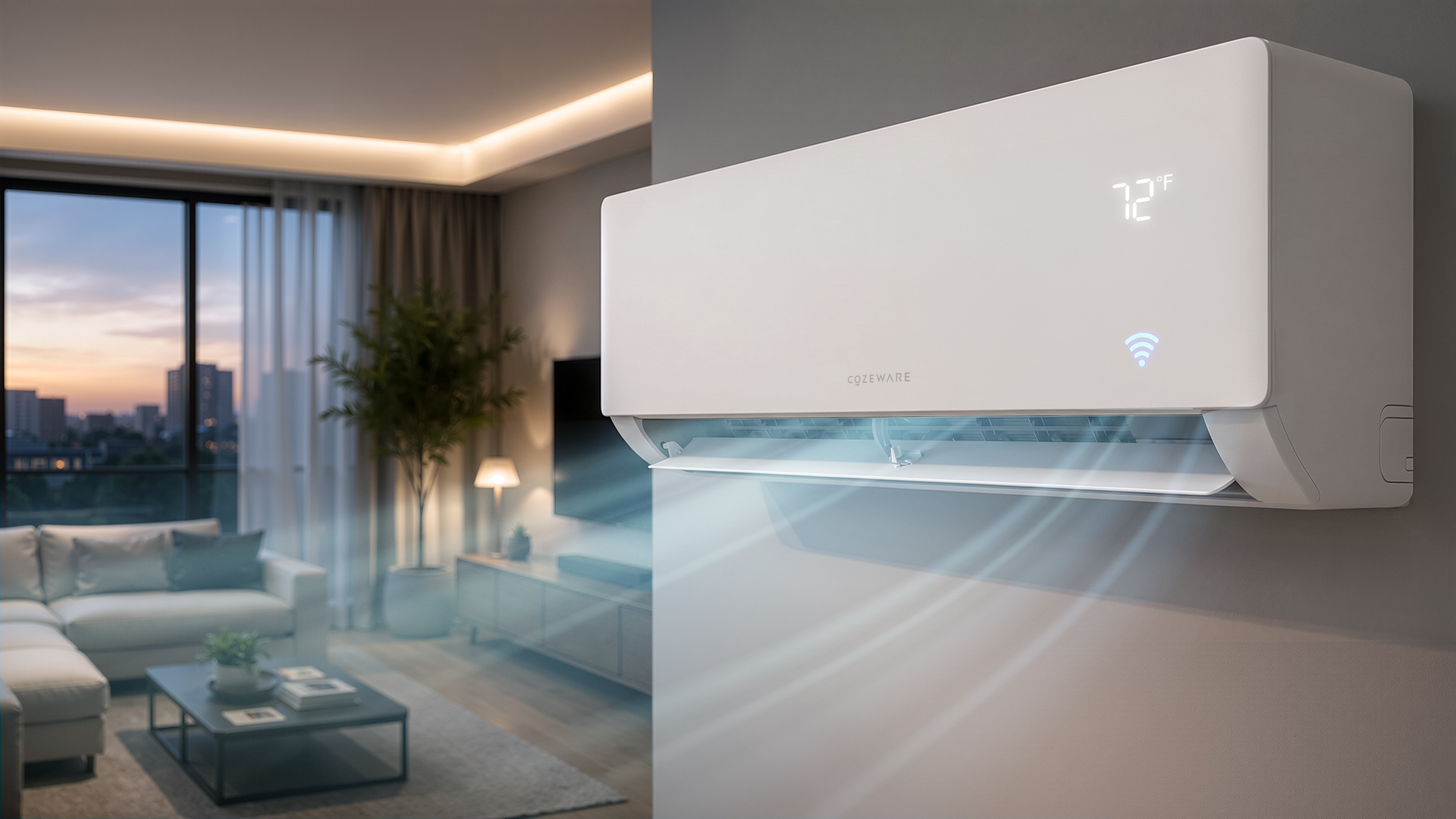
At its core, an AI ductless air conditioner is designed to reduce energy consumption while maintaining—or even improving—comfort levels. Traditional systems often cool or heat based on a single set temperature, regardless of how the room is actually being used. AI-driven units, however, factor in variables such as:
Number of people in the room
Sunlight exposure and time of day
Outdoor humidity and temperature trends
Historical usage data specific to that household
By processing this information continuously, the system can fine-tune airflow and temperature output to avoid the energy spikes associated with constant on/off cycling. The result is often a noticeable reduction in monthly utility bills, alongside more consistent indoor comfort.
Environmental and Cost Advantages
Beyond personal comfort, there are broader benefits worth considering. Energy-efficient cooling systems reduce strain on the power grid during peak demand periods, and many AI-enabled units qualify for utility rebates or tax incentives due to their high efficiency ratings. Over the lifespan of the unit, these savings can offset a significant portion of the initial investment.
Intelligent Climate Control for Every Room
A major advantage of mini split technology is zoning—the ability to set different temperatures for different areas of the home. When combined with intelligent climate control, this zoning becomes dynamic rather than static.
For example, a bedroom might automatically cool down in the evening to support better sleep, while a home office maintains a steady temperature during work hours. A rarely used guest room can stay in an energy-saving mode until occupancy is detected. This kind of automated, room-by-room precision was previously only achievable through expensive, custom-programmed systems—now it's a standard feature on many mid-range models.
Health and Comfort Considerations
Intelligent systems also contribute to better indoor air quality. Many units include sensors that monitor humidity levels and air particulates, adjusting fan speed and filtration accordingly. This is particularly valuable for households with allergy sufferers, young children, or elderly residents who are more sensitive to temperature fluctuations and air quality issues.
Next Generation Mini Split Technology: What's on the Horizon
The pace of innovation in this space shows no signs of slowing. Next generation mini split technology is increasingly incorporating predictive maintenance alerts, which notify homeowners or technicians before a part fails—reducing costly emergency repairs. Some manufacturers are also experimenting with solar-compatible units, allowing systems to draw power directly from renewable sources during peak sunlight hours.
Additional developments include:
Integration with whole-home energy management platforms
Self-cleaning components that reduce maintenance frequency
Quieter compressor designs using AI-optimized refrigerant flow
Enhanced compatibility with smart thermostats and sensors throughout the home
As these technologies become more refined and widely available, prices are expected to become increasingly competitive with conventional systems, making advanced climate control accessible to a broader range of households.
Is an AI Mini Split System Right for Your Home?
For homeowners considering an upgrade, AI mini split systems represent a meaningful step forward in both comfort and efficiency. The combination of smart sensors, app-based management, and adaptive learning means less manual adjustment and more consistent results. While the upfront cost may be higher than a basic ductless unit, the long-term savings on energy bills—paired with the convenience of remote, automated control—make these systems an increasingly popular choice for new construction and retrofit projects alike.
If you're planning a home improvement project this year, it's worth consulting with a licensed HVAC technician to evaluate whether an AI-powered ductless solution fits your space, budget, and comfort goals.